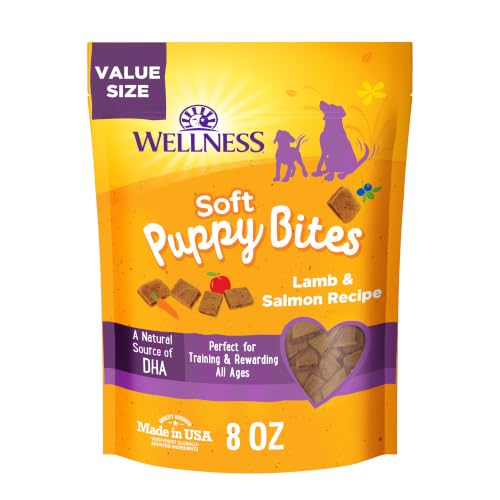
Training Treats for Dogs with Sensitive Stomachs
A complete guide to choosing safe, digestible, and delicious training rewards for dogs prone to digestive upset — without compromising your training progress.
Training is one of the most rewarding parts of dog ownership — but it becomes frustrating when every reward you give your dog leads to diarrhea, gas, or vomiting. If your dog has a sensitive stomach, you have likely wondered whether you can train effectively without triggering digestive problems. The good news is that you absolutely can.
The key is understanding what makes a treat gentle on the digestive system and choosing options that are both highly motivating and easy to process. This guide will walk you through everything you need to know about selecting training treats for dogs with sensitive stomachs, including which ingredients to avoid, which treat types work best, and how to incorporate them into your training sessions without upsetting your dog's system.
Why Sensitive Stomachs Need Special Treats
A dog with a sensitive stomach has a digestive system that reacts poorly to certain ingredients, food additives, or abrupt dietary changes. This can be caused by food allergies, food intolerances, inflammatory bowel disease, pancreatic issues, or simply a more delicate constitution. Whatever the root cause, the result is the same: ordinary treats can cause significant discomfort.
During training, dogs typically receive many small treats in rapid succession. This repetition magnifies the impact of any problematic ingredient. A treat that causes only minor gas in a single serving can cause serious digestive distress when given twenty times in a session. That is why choosing the right treat is even more important for training than for general feeding.
Additionally, training treats are often high in calories and low in nutritional value. For a dog with a sensitive stomach, you want every bite to be as gentle and nutritionally clean as possible. If your dog also has other dietary restrictions, you may find our guide on dog food for allergies and sensitive stomachs helpful for building a complete dietary plan.
Key Principle: The best training treat for a sensitive-stomach dog is one that contains a single protein source, minimal ingredients, no artificial additives, and is easy to break into tiny pieces.
Signs Your Dog Has a Sensitive Stomach
Before you can choose the right treats, you need to recognize the signs of digestive sensitivity. Some dogs show obvious symptoms, while others display more subtle clues. Watch for the following after meals or training sessions:
- Frequent diarrhea or soft stools: If your dog's stool becomes loose after eating certain treats, that is a clear sign of digestive upset.
- Vomiting after meals: Occasional vomiting may be normal, but repeated vomiting after specific foods indicates a problem.
- Excessive gas: While some gas is normal, frequent or foul-smelling gas can indicate poor digestion.
- Abdominal discomfort: Signs include stretching, pacing, whining, or sensitivity when you touch their belly.
- Loss of appetite: A dog who suddenly refuses food or treats may be experiencing nausea or pain.
- Skin reactions: Itching, redness, ear infections, and paw licking can all be symptoms of food allergies that also affect digestion.
- Weight loss: Poor digestion can prevent your dog from absorbing nutrients properly.
If your dog consistently shows these signs, consult your veterinarian before making major dietary changes. Some conditions, such as food allergies and skin problems, require professional diagnosis and management. Your vet can help you identify trigger ingredients and rule out more serious conditions.
Ingredients to Avoid
The most common culprits behind treat-related digestive upset are certain ingredients and additives. When reading treat labels, look out for these problematic components:
Common Trigger Ingredients:
• Wheat, corn, and soy: These are common fillers and frequent allergens for dogs.
• Artificial colors and flavors: Unnecessary additives that can trigger reactions in sensitive dogs.
• BHA and BHT: Chemical preservatives linked to digestive irritation and potential long-term health concerns.
• Propylene glycol: A chemical softener used in semi-moist treats that can cause digestive upset.
• Dairy: Many dogs are lactose intolerant, making cheese-based treats a poor choice for sensitive stomachs.
• By-products of unknown origin: Lower-quality ingredients that are harder to digest and more likely to contain allergens.
• Excessive sugar or salt: Can irritate the digestive tract and contribute to other health issues.
If your dog has a known protein allergy — for example, to chicken or beef — you must avoid that protein entirely and choose a novel protein source instead. Novel proteins like duck, venison, rabbit, or whitefish are less likely to trigger allergic reactions because your dog's immune system has not been exposed to them before.
For dogs who struggle with dry, hard treats due to dental issues in addition to stomach sensitivity, consider soft dry dog food for dogs with bad teeth as an alternative reward. Soft textures are often easier on both the mouth and the digestive system.
Best Types of Training Treats
Now that you know what to avoid, let's explore the treat categories that work best for sensitive stomachs. Each has its own advantages and ideal use cases.
Freeze-Dried Single-Protein Treats
Freeze-dried treats made from a single protein — such as liver, chicken, or fish — are among the best options for sensitive stomachs. The freeze-drying process preserves nutrients without adding preservatives or fillers. These treats are highly palatable, lightweight, and easy to break into tiny training rewards.
Premium TierLimited-Ingredient Baked Treats
Limited-ingredient treats contain only a handful of components, reducing the chance of triggering a reaction. Look for options with a named protein as the first ingredient and no artificial additives. These are excellent for dogs who can tolerate a simple baked treat but need to avoid complex formulations.
Mid-Range TierDehydrated Vegetables and Fruits
Dehydrated sweet potato, pumpkin, or apple slices are low-calorie, high-fiber treats that support digestive health. Sweet potato in particular is gentle on the stomach and provides natural sweetness that dogs love. These are ideal for dogs who need to lose weight or who react poorly to protein-based treats.
Budget-Friendly TierNovel Protein Treats
If your dog has developed sensitivities to common proteins like chicken or beef, novel proteins such as duck, venison, rabbit, or kangaroo can provide a safe alternative. These proteins are less likely to trigger an immune response because they are new to your dog's system. Always introduce them gradually.
Premium TierPlain Cooked Meat (Homemade)
Plain boiled chicken breast, turkey, or lean beef with no seasoning is one of the safest training treats for sensitive stomachs. It is highly palatable, easy to digest, and you control every ingredient. Cut into tiny pea-sized pieces for training. This is also an excellent option for dogs with multiple food allergies.
Budget-Friendly TierYour Dog's Regular Food (Repurposed)
If your dog is already on a sensitive-stomach dog food that works well, you can use their regular kibble as a training reward. This eliminates any risk of introducing a new ingredient. For higher-value rewards, use a portion of their daily meal during training sessions and reduce their bowl portion accordingly.
Budget-Friendly TierPro Tip: Rotate between two or three treat types to prevent your dog from developing a new sensitivity to any single protein. Variety also keeps training sessions exciting and your dog engaged.
Treat Category Comparison
Use this table to compare the main categories of sensitive-stomach-friendly treats at a glance:
| Treat Type | Digestibility | Palatability | Training Convenience | Best For |
|---|---|---|---|---|
| Freeze-Dried Single Protein | Excellent | Very High | Excellent (breakable) | Dogs with protein intolerances |
| Limited-Ingredient Baked | Very Good | High | Good | Dogs with mild sensitivities |
| Dehydrated Vegetables | Excellent | Moderate | Good | Overweight dogs, fiber needs |
| Novel Protein Treats | Very Good | High | Good | Dogs with common protein allergies |
| Plain Cooked Meat | Excellent | Very High | Excellent | Dogs with multiple allergies |
| Regular Kibble (Repurposed) | Excellent (known safe) | Moderate | Excellent | Dogs on prescription diets |
Homemade Treat Options
Making treats at home gives you complete control over ingredients, which is invaluable when your dog has a sensitive stomach. Here are some simple, safe options:
- Boiled chicken or turkey breast: Boil plain, skinless chicken breast in water with no salt or seasoning. Cool, shred, and cut into tiny pieces. Store in the refrigerator for up to three days or freeze in small portions.
- Baked sweet potato cubes: Peel and cube a sweet potato, bake at 400°F until soft, and let cool. These are naturally sweet, high in fiber, and gentle on digestion. Store in the refrigerator for up to a week.
- Dehydrated liver: Thinly slice liver, bake on low heat until dry and firm. Liver is nutrient-dense and highly palatable, but feed in small amounts because of its high vitamin A content.
- Plain pumpkin cubes: Use plain canned pumpkin (not pie filling) or fresh pumpkin. Freeze small dollops on a baking sheet for a cool, soothing treat that also supports digestive health.
If you are already preparing homemade meals for your dog, you may find inspiration in our homemade dog food recipes for senior dogs with sensitive stomachs. Many of those recipes can be adapted into small training treats. For dogs with kidney issues, our vet-approved homemade dog food for kidney disease guide offers additional safe options.
Important: Never feed your dog cooked bones, onions, garlic, grapes, raisins, chocolate, xylitol, or any other toxic food. Even in small training treats, these can cause serious harm. When in doubt, stick to single-ingredient treats you know are safe.
Training Tips for Sensitive-Stomach Dogs
Even with the right treats, how you use them matters. Here are practical strategies for training a dog with a sensitive stomach:
- Keep treat portions tiny: A training treat should be no larger than a pea. Small pieces mean fewer calories per reward and less strain on digestion. You can break most treats into four or more pieces.
- Reduce regular meals on training days: Training treats count toward your dog's daily caloric intake. If you plan a heavy training session, reduce their meal portion slightly to prevent overfeeding and weight gain.
- Use a treat hierarchy: Reserve high-value treats (like freeze-dried liver) for challenging new behaviors and use low-value rewards (like kibble or dehydrated veggies) for easy or well-known behaviors. This keeps your dog motivated without overloading their system.
- Train before meals: A slightly hungry dog is more motivated by food rewards and less likely to experience digestive discomfort from training treats on a full stomach.
- Introduce one new treat at a time: When trying a new treat, give just one piece and monitor your dog for 24-48 hours. If no reaction occurs, gradually increase the amount. Never introduce multiple new treats at once.
- Watch for subtle signs: Pay attention to lip licking, excessive swallowing, or changes in stool consistency after training. These early signs can help you identify problematic treats before a major issue develops.
- Consider treat-dispensing toys: For dogs who need mental stimulation and slow feeding, interactive dog toys and puzzle toys for dogs can be filled with their regular food or sensitive-stomach treats, providing enrichment without rapid treat consumption.
Training Without Treats: You don't always need food to reward your dog. Praise, petting, a favorite toy, or access to a desired activity can also serve as rewards. Using non-food rewards during low-stakes training sessions reduces the total treat load on your dog's digestive system.
Transitioning to New Treats Safely
If you are switching from a previous treat to a new sensitive-stomach-friendly option, do it gradually. An abrupt change — even to a higher-quality treat — can cause digestive upset simply because your dog's gut bacteria need time to adjust.
- Start with a small amount: Give just one small piece of the new treat along with the old treat.
- Observe for 48 hours: Watch for diarrhea, vomiting, gas, or changes in appetite.
- Gradually increase: If no reaction occurs, replace 25% of the old treats with new ones for a few days, then 50%, then 75%, and finally 100%.
- Slow down if problems arise: If you see any signs of digestive upset, return to the previous ratio for a few more days before trying again.
- Keep a treat diary: Track which treats your dog tolerates well and which cause problems. This record is invaluable when discussing diet with your veterinarian.
If your dog is currently on a prescription gastrointestinal diet, consult your vet before introducing any new treats. Some prescription diets are highly restricted for medical reasons, and even a small treat can disrupt their therapeutic effect. For dogs with severe sensitivities, a veterinary nutritionist can help you design a safe treat plan. You can also explore veterinary nutritionist dog food recommendations for professional guidance on managing complex dietary needs.
Frequently Asked Questions
The Bottom Line
Training a dog with a sensitive stomach is entirely possible with the right approach. Prioritize single-ingredient or limited-ingredient treats, keep portions tiny, introduce new foods gradually, and always monitor your dog's response. When in doubt, use your dog's regular food as a reward — it is already proven safe for their system. With patience and careful treat selection, you can build strong behaviors while keeping your dog's digestive system calm and comfortable.
If your dog's symptoms persist despite dietary changes, consult your veterinarian. Chronic digestive issues can have underlying causes that require medical treatment, and a professional can help you create a comprehensive care plan.