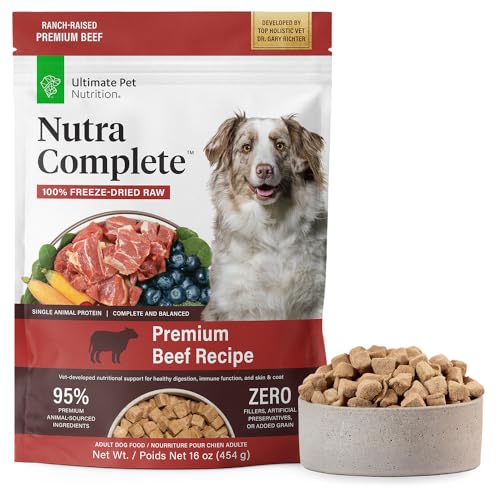
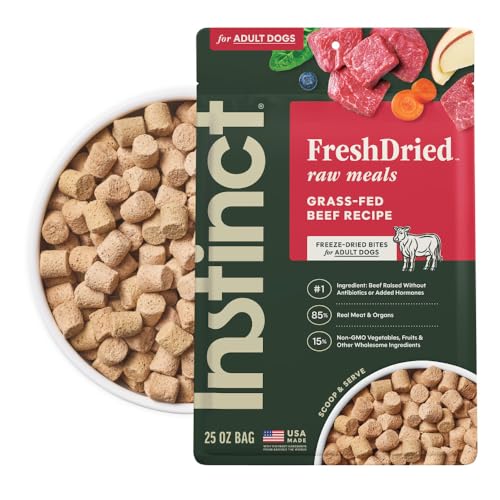
Benefits of Raw Food Diet for Dogs
Discover how a biologically appropriate raw diet can transform your dog's health — from a shiny coat and cleaner teeth to improved digestion and boundless energy.
More dog owners are switching to raw food diets, and for good reason. A raw diet — typically composed of raw meat, bones, organs, and vegetables — mimics what canines ate for thousands of years before commercial kibble existed. The benefits of raw food diet for dogs go far beyond just a shiny coat; they include better digestion, higher energy, improved dental health, and a stronger immune system. If you're considering this nutritional shift, this guide will walk you through every advantage, address common concerns, and help you make an informed decision for your furry friend.
Top 5 Proven Benefits of Raw Diet
1. Improved Digestion & Nutrient Absorption
Raw food is closer to nature, with enzymes that help break down nutrients more effectively. Many dogs experience less bloating, fewer gas issues, and more regular bowel movements. The high moisture content also supports kidney and urinary health.
2. Healthier Skin & Shiny Coat
Omega-3 and omega-6 fatty acids from raw meat and fish promote a glossy coat and reduce itching, flaking, and hot spots. Owners often notice a visible improvement in their dog's skin and fur within just a few weeks.
3. Cleaner Teeth & Fresher Breath
Chewing raw meaty bones acts as a natural toothbrush, scraping away plaque and tartar. This reduces the need for dental cleanings and helps prevent gum disease, which is linked to other health issues.
4. More Energy & Better Weight Management
Raw diets are typically high in protein and low in carbohydrates, helping dogs build lean muscle and maintain a healthy weight. Many owners report their dogs become more active, playful, and alert.
5. Smaller, Less Smelly Stools
Because raw food is more digestible, there's less waste. Stools become firmer, smaller, and significantly less odorous — a win for both you and your dog.
6. Stronger Immune System
Nutrient-dense raw food provides natural vitamins, minerals, and antioxidants that bolster the immune system. This can lead to fewer allergies, less frequent illnesses, and better overall vitality.
Raw Diet vs. Kibble: A Side-by-Side Comparison
| Aspect | Raw Food Diet | Commercial Kibble |
|---|---|---|
| Moisture Content | ~70% (natural hydration) | ~10% (highly processed) |
| Carbohydrate Level | Low (5-15%) | High (30-60%) |
| Protein Quality | Whole, unprocessed animal protein | Often rendered or meal-based |
| Dental Health | Natural cleaning from bones | Often leads to plaque buildup |
| Stool Quality | Firm, less odor, smaller volume | Larger, softer, more odorous |
| Energy Levels | Sustained, high energy | Often spikes and crashes |
How to Transition Your Dog to a Raw Diet
Switching too quickly can cause digestive upset. Follow these steps for a smooth transition:
- Start slow: Mix 10-20% raw food with 80-90% of your dog's current food for the first 2-3 days.
- Gradually increase: Over 7–10 days, slowly increase the raw portion while decreasing the old food.
- Monitor stools: Soft stools are normal initially. If diarrhea persists, slow down the transition.
- Choose high-quality raw: Look for commercially prepared raw diets that are AAFCO-compliant or consult a veterinary nutritionist for homemade recipes.
- Stay consistent: Feed at the same times each day to regulate digestion.
🐾 Vet Tip: Always consult your veterinarian before starting a raw diet, especially if your dog is a puppy, senior, or has a compromised immune system. Some dogs may require adjusted portions or specific supplements.
Frequently Asked Questions About Raw Diets
Is the raw diet right for your dog?
If you're looking for a natural, health-boosting diet that can improve your dog's quality of life, raw food is a fantastic option. The benefits of raw food diet for dogs — from a glowing coat to stronger immunity — are supported by thousands of owners and veterinarians alike. Start with a high-quality commercial raw food to ensure balanced nutrition, and always consult your vet to tailor the diet to your dog's specific needs.
Ready to make the switch? Explore our recommended raw food products below to give your dog the best start.