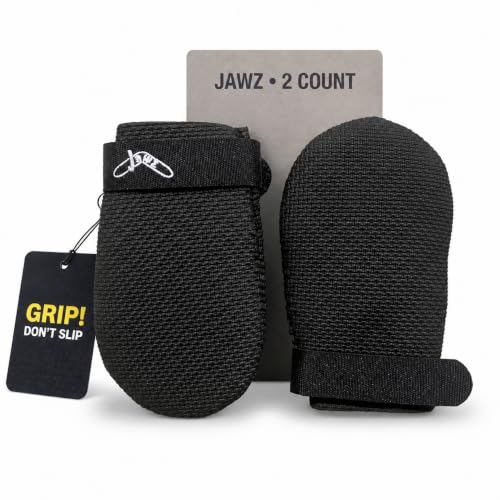
Booties for Dogs with Degenerative Myelopathy
Protect your dog's paws, improve mobility, and restore confidence with the right footwear for degenerative myelopathy. A complete guide for caring owners.
Degenerative myelopathy (DM) is a heartbreaking diagnosis for any dog owner. This progressive neurological disease affects the spinal cord, gradually robbing a dog of coordination and strength in their hind limbs. As the condition advances, dogs begin to drag their paws, knuckle over, and struggle to maintain balance. Without protection, those paws quickly develop painful sores, abrasions, and infections.
Booties for dogs with degenerative myelopathy are not a cure, but they are one of the most practical and impactful tools available to preserve your dog's quality of life. They protect paws from injury, improve traction on slippery surfaces, and help your dog maintain independence for longer. This guide will walk you through everything you need to know about selecting, fitting, and using booties for a dog with DM.
What Is Degenerative Myelopathy?
Degenerative myelopathy is a progressive disease that affects the white matter of the spinal cord. It is most commonly diagnosed in older German Shepherds, Boxers, Corgis, and other breeds, though it can occur in any dog. The condition typically begins with subtle signs: a slight wobble in the rear, difficulty rising from a lying position, or a tendency to scuff the nails on the rear paws.
As DM progresses, the dog's proprioception — their awareness of where their limbs are in space — deteriorates. This leads to knuckling (where the paw curls under), dragging of the rear feet, and eventually complete loss of mobility in the hindquarters. The disease is not painful in itself, but the secondary injuries from dragging and falling can cause significant pain and discomfort.
While there is no cure for DM, there are many ways to manage the condition and keep your dog comfortable. Physical therapy, mobility aids, and protective footwear like booties all play important roles in a comprehensive care plan. If you are also managing other health issues, such as bloat in dogs or canine hip dysplasia, it is essential to work closely with your veterinarian to coordinate care.
Why Booties Matter for Dogs with DM
When a dog loses the ability to lift their paws properly, the tops of their toes and paws scrape against the ground with every step. This constant friction quickly wears away fur and skin, leading to open wounds that are painful and prone to infection. Booties create a protective barrier between the paw and the ground, preventing these injuries before they start.
Beyond protection, booties offer several other benefits for dogs with degenerative myelopathy:
- Traction on slippery surfaces: DM dogs often struggle on hardwood, tile, and laminate floors. Booties with rubberized soles provide grip, reducing the risk of falls and giving your dog more confidence to move around the house.
- Proprioceptive feedback: Some booties provide gentle sensory input that helps dogs remain aware of their foot placement. This can slow the progression of knuckling and improve gait quality.
- Cleanliness: Dogs with DM may drag their paws through mud, urine, or feces. Booties keep paws clean and reduce the need for frequent bathing, which can be stressful for a mobility-impaired dog.
- Confidence and independence: When a dog is no longer slipping or scraping their paws, they are more willing to move around. This maintains muscle tone, joint health, and mental well-being.
Important Note: Booties are not a substitute for veterinary care. If your dog has been diagnosed with DM, work with your vet to develop a complete management plan that may include physical therapy, supplements, mobility aids, and other interventions. Booties are one piece of the puzzle.
Key Features to Look For in DM Booties
Not all dog booties are created equal. For a dog with degenerative myelopathy, you need footwear that can withstand dragging, stay securely in place, and remain comfortable for extended wear. Here are the features that matter most:
Durability and Abrasion Resistance
The soles of the booties will be in constant contact with the ground, often dragging rather than lifting. Look for booties with reinforced soles made from tough rubber, leather, or synthetic materials designed for high-abrasion use. Entry-level booties may wear through quickly, while mid-range and premium options often feature reinforced toe caps and thicker soles.
Secure Closure System
A bootie that slips off is worse than no bootie at all — it can trip your dog or become a choking hazard. Look for closure systems that combine Velcro straps with buckles, or elastic cuffs with adjustable drawstrings. The closure should be tight enough to stay on but not so tight that it restricts circulation.
Breathability and Moisture Management
Dogs with DM may wear booties for hours at a time. Breathable materials like mesh or perforated neoprene allow air to circulate and prevent moisture buildup, which can lead to fungal infections or skin irritation. Avoid fully waterproof booties for extended wear unless they have ventilation panels.
Knuckling Accommodation
When a dog knuckles, the top of the paw is in contact with the ground. Booties for DM dogs should have a design that accommodates this — either a rounded toe box that allows the paw to roll naturally, or a reinforced top panel that protects the knuckles from abrasion.
Ease of Putting On and Taking Off
As DM progresses, you may need to put booties on your dog multiple times a day. Look for designs with wide openings, simple strap systems, and clear instructions. Some booties have a hinge or split design that makes them easier to slide onto a paw that cannot be fully flexed.
Types of Booties and Footwear for DM Dogs
There are several categories of protective footwear available for dogs with degenerative myelopathy. Each has its own advantages and best-use scenarios.
Standard Dog Booties
These are the most common type, designed for general paw protection. They feature a rubber sole, a fabric upper, and Velcro straps. For DM dogs, choose a model with a durable sole and a secure fit. Best for dogs in the early stages of DM who still lift their paws most of the time.
Entry-Level to Mid-RangeDrag Bags and Paw Protectors
These are specialized products designed specifically for dogs who drag their paws. They often look like small sacks or sleeves that cover the entire paw and lower leg. Some feature reinforced skid pads on the top and bottom. Best for dogs in the later stages of DM who cannot lift their paws at all.
Mid-Range to PremiumNon-Slip Socks with Grips
These are soft socks with rubberized treads on the bottom. They are less durable than booties but are easier to put on and more comfortable for indoor use. Best for dogs who need traction on slippery floors but are not yet dragging their paws outdoors.
Budget-FriendlyCustom-Made Orthopedic Booties
These are made-to-measure booties designed by veterinary orthotists. They offer the best fit and support, often incorporating rigid panels or custom padding. Best for dogs with severe knuckling or unusual paw shapes. These are the most expensive option and require a veterinary referral.
Luxury / Top-TierRear-Only Bootie Sets
Since DM primarily affects the hind limbs, many owners only need booties for the rear paws. These sets typically include two booties and are more affordable than full sets of four. Best for dogs whose front limbs are unaffected.
Mid-RangeAll-Four Bootie Sets
Some dogs with DM eventually develop weakness in all four limbs. A full set of four booties ensures consistent protection and traction. Best for dogs in advanced stages of DM or those with concurrent orthopedic issues.
Mid-Range to PremiumHow to Measure and Fit Booties for a DM Dog
A proper fit is critical. Booties that are too loose will slip off and cause tripping; booties that are too tight will restrict circulation and cause discomfort. Follow these steps to get the right fit:
- Measure the paw width: Use a soft measuring tape or a piece of string to measure the widest part of the paw while your dog is standing. Measure both the front and rear paws, as they may be different sizes.
- Measure the paw length: Measure from the back of the paw to the tip of the longest toenail. This ensures the bootie is long enough to cover the entire paw without being too long.
- Check the manufacturer's sizing chart: Every brand has its own sizing. Do not assume that a "medium" in one brand will fit the same as a "medium" in another. Always consult the specific chart.
- Consider the knuckling position: If your dog knuckles, the paw may be in a different position than a normal standing paw. Measure the paw in the position it typically assumes when your dog is walking.
- Test the fit: Put the bootie on and check that you can fit one finger between the bootie and the paw. It should be snug but not tight. Have your dog walk around and watch for slipping or rubbing.
- Adjust as needed: Most booties have adjustable straps. Tighten or loosen them until the bootie stays in place without causing pressure marks.
Pro Tip: If your dog has one paw that is significantly larger or smaller than the others, consider buying two sets of booties in different sizes, or look for brands that sell individual booties. This ensures a custom fit for every paw.
Comparison of Bootie Options for DM Dogs
The table below compares the main types of protective footwear across key criteria. Use this as a starting point for your research, and always prioritize fit and comfort over brand names.
| Type | Durability | Traction | Ease of Use | Best For |
|---|---|---|---|---|
| Standard Dog Booties | Moderate | Good | Easy | Early-stage DM, indoor/outdoor use |
| Drag Bags / Paw Protectors | High | Moderate | Moderate | Late-stage DM, heavy dragging |
| Non-Slip Socks | Low | Excellent (indoor) | Very Easy | Indoor traction, early-stage DM |
| Custom Orthopedic Booties | Very High | Excellent | Moderate | Severe knuckling, unusual paw shapes |
| Rear-Only Sets | Varies | Varies | Easy | Dogs with only hind limb involvement |
| All-Four Sets | Varies | Varies | Moderate | Advanced DM, whole-body weakness |
Caring for Paws and Booties
Booties are only effective if they are in good condition and your dog's paws are healthy. Establish a daily routine that includes checking both the paws and the booties.
Daily Paw Checks
- Inspect the tops and bottoms of all paws for redness, swelling, cuts, or abrasions.
- Check between the toes for foreign objects, mats, or signs of infection.
- Look for signs of pressure sores where the bootie straps sit.
- Clean any dirt or debris from the paws with a damp cloth and dry thoroughly.
- Apply a paw balm or protective wax if the pads are dry or cracked. You can find quality options in our dog paw protection guide.
Bootie Maintenance
- Rinse booties after outdoor use to remove mud, salt, and debris.
- Wash them regularly with mild soap and warm water. Avoid harsh detergents that can irritate paws.
- Air dry completely before the next use. Never put booties in a dryer unless the manufacturer explicitly says it is safe.
- Inspect the soles for wear. If the tread is worn smooth or the sole is cracked, replace the booties.
- Check the closure straps for fraying or loss of elasticity. Replace the booties if the straps no longer hold securely.
When to Call Your Vet: If you notice any open sores, swelling, discharge, or signs of pain when handling your dog's paws, contact your veterinarian. These could be signs of infection or other issues that require medical attention.
Integrating Booties into Daily Life
Introducing booties to a dog with DM requires patience and positive reinforcement. Your dog may initially resist wearing them, especially if they are not used to footwear. Here is how to make the transition as smooth as possible.
- Start slowly: Let your dog sniff the booties and reward them with treats for showing interest. Put one bootie on for a few seconds, reward, and take it off. Gradually increase the time.
- Pair with positive experiences: Put booties on before a favorite activity like a walk or mealtime. This creates a positive association.
- Practice indoors first: Let your dog wear the booties around the house before going outside. This helps them adjust to the sensation on a familiar surface.
- Be consistent: Use booties every time your dog goes outside. Consistency helps your dog learn that booties are part of the routine.
- Watch for signs of discomfort: If your dog refuses to walk, constantly tries to remove the booties, or shows signs of pain, the fit may be wrong. Re-measure and adjust.
- Combine with other mobility aids: Booties work best when combined with other tools like dog harnesses with rear-lift handles, dog strollers for longer outings, and orthopedic dog beds for comfortable rest.
For dogs with DM, maintaining a healthy weight is also critical to reduce strain on weakened limbs. If your dog needs to lose weight, our guide on the best dry dog food to help my dog lose weight can provide helpful guidance. Additionally, if your dog is a senior, you may find our resources on senior dog food for sensitive stomachs useful.
Remember that DM affects every dog differently. Some dogs progress slowly and may only need booties for outdoor walks. Others may need them all day long. Adapt your approach to your dog's individual needs, and do not hesitate to consult with your veterinarian or a veterinary rehabilitation specialist for personalized advice.
Frequently Asked Questions
Final Thoughts
Degenerative myelopathy is a challenging diagnosis, but you are not powerless. Booties for dogs with degenerative myelopathy are a simple, effective way to protect your dog's paws, improve their mobility, and preserve their dignity. Combined with veterinary care, physical therapy, and a loving home environment, they can help your dog enjoy a good quality of life for as long as possible. The fact that you are researching this topic means you are already a caring, dedicated owner — and that makes all the difference.