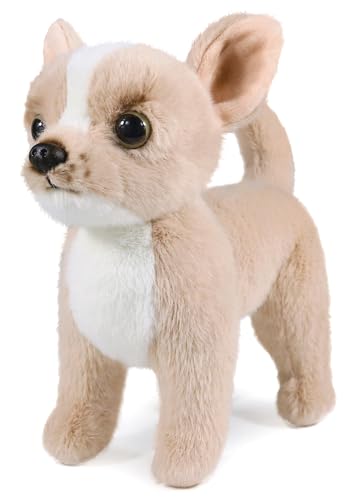
Chihuahua Dog Breed: Complete Guide
Everything you need to know about the world's smallest dog breed — from personality and care to health, training, and finding the perfect Chihuahua for your family.
The Chihuahua is the smallest dog breed in the world — but what they lack in size, they make up for in personality. Named after the Mexican state of Chihuahua, these tiny dogs have a long history and a devoted following. They are bold, loyal, and often form an intense bond with one person.
If you're considering adding a Chihuahua to your life, this guide covers everything you need to know about caring for this unique and spirited breed. From understanding their dog behavior to managing their dog diet, we've got you covered.
Chihuahua Breed Overview & Characteristics
Chihuahuas are instantly recognizable by their apple-shaped head, large expressive eyes, and oversized ears. They come in two coat varieties — smooth-coat and long-coat — and a wide range of colors and patterns. Despite their tiny size, they have a big-dog attitude and are known for their sass and confidence.
Pros of Chihuahua Ownership
- Perfect for apartment living due to tiny size
- Deeply loyal and devoted to their owner
- Long lifespan — often 15–18 years
- Minimal exercise requirements
- Portable — easy to take everywhere
Cons of Chihuahua Ownership
- Can be stubborn and difficult to train
- Fragile — not suitable for rough handling
- Prone to dental disease and other health issues
- May bark excessively
- Often suspicious of strangers and other dogs
Before You Get a Chihuahua: These tiny dogs have big needs. They require consistent training, careful handling, and regular veterinary care. They are not "low-maintenance" just because they're small — they need just as much attention and care as larger breeds, sometimes more.
Chihuahua Personality & Temperament
Chihuahuas are known for their big personalities. They are fiercely loyal to their owners, often bonding intensely to one person. This devotion can be wonderful, but it can also lead to dog separation anxiety if not managed properly.
They are alert, intelligent, and sometimes a bit sassy. Many Chihuahuas seem unaware of their tiny size and will confidently approach much larger dogs. This bravery can be charming but requires supervision to prevent incidents.
Key Temperament Traits
- Loyal and affectionate: They form deep bonds and want to be with their people constantly. They make excellent lap dogs and companions.
- Alert and watchful: They make excellent watchdogs, often barking to alert you of anything unusual. However, excessive barking can become a problem if not addressed.
- Stubborn: They have a mind of their own and can be challenging to train. Patience and positive reinforcement are essential.
- Suspicious: They are naturally wary of strangers and can be protective. Early socialization is critical to prevent fearfulness or aggression.
Chihuahua Care Essentials
Chihuahuas may be small, but their care needs are significant. Here's what you need to know about grooming, exercise, and daily care for your Chihuahua.
Grooming Needs
- Smooth-coat: Brush weekly with a soft bristle brush or rubber curry brush to remove loose hair. Bathing every 2-3 months or as needed.
- Long-coat: Brush 2-3 times weekly with a pin brush or slicker brush to prevent matting. More frequent bathing may be needed.
- Dental care: Chihuahuas are prone to dental disease. Brush teeth daily with dog-specific toothpaste and provide dental chews. Professional dental cleanings are often needed.
- Nail trimming: Trim nails every 2-3 weeks. Their small paws need regular attention.
Exercise Requirements
- Moderate exercise: 30-60 minutes daily. Short walks and indoor play sessions are usually sufficient.
- Protect from cold: Chihuahuas are sensitive to cold weather. Use dog clothes and sweaters in winter.
- Mental stimulation: Engage their mind with puzzle toys and training games. Bored Chihuahuas can become destructive.
- Watch the heat: They are also sensitive to heat — avoid walking in extreme temperatures.
Daily Care Checklist
- Provide fresh water at all times — use a small, shallow dog bowls for easy access.
- Feed high-quality best small dog food in appropriate portions.
- Clean teeth daily to prevent dental disease.
- Check eyes and ears weekly for signs of irritation or infection.
- Provide a warm, comfortable bed away from drafts.
Chihuahua Health Issues & Prevention
Chihuahuas are generally healthy but have some breed-specific health concerns. Regular veterinary care, proper nutrition, and careful handling can help prevent or manage these issues.
Dental Disease
Small mouths mean crowded teeth. Periodontal disease is the most common health problem in Chihuahuas. Daily brushing and professional cleanings are essential.
Luxating Patella
Kneecaps that slip out of place. Symptoms include skipping or hopping while walking. Weight management helps prevent this condition.
Heart Disease
Mitral valve disease is common in older Chihuahuas. Regular vet checks can detect murmurs early. Consider dog genetic testing for early markers.
Hydrocephalus
Fluid buildup on the brain. More common in puppies with the characteristic "apple-head." Symptoms include lethargy, seizures, and delayed development.
Molera
A soft spot on the skull that may not close. This is normal in Chihuahuas but requires extra care to protect from head injuries.
Tracheal Collapse
Weakening of the windpipe. Use a dog harnesses instead of a collar to avoid putting pressure on the throat.
Prevention Tip: Schedule annual vet exams (twice yearly for seniors). Keep your Chihuahua at a healthy weight — even 1 extra pound is significant for a 5-pound dog. Choose the best dog food formulated for small breeds with dental support.
Training Your Chihuahua
Training a Chihuahua requires patience, consistency, and a sense of humor. They are intelligent but stubborn — they understand what you want, but they may choose not to comply if they don't see the benefit.
Training Tips for Success
- Start early: Begin training and critical socialization period as early as possible. Puppy classes are excellent for socialization.
- Use positive reinforcement: Reward good behavior with treats, praise, and play. Chihuahuas respond poorly to harsh methods.
- Keep sessions short: 5-10 minutes per session — they have short attention spans but can learn well with consistency.
- Address barking early: Chihuahuas are known for being vocal. Teach a "quiet" command early to prevent excessive barking problems.
- Handle gently: They are fragile and can be injured by rough handling. Teach children how to handle them properly.
- Be consistent: Everyone in the household must use the same commands and rules. Inconsistency will confuse your Chihuahua.
House Training: Chihuahuas can be difficult to house train. Crate training is highly recommended. Take them out frequently — every 2-3 hours during the day — and reward immediate success. Use dog belly bands for indoor accidents as a temporary management tool.
Chihuahua Nutrition & Feeding
Proper nutrition is critical for the Chihuahua's long life. Their small size means they have high energy needs relative to their body weight, but they can also become overweight easily.
Feeding Guidelines
- Calorie needs: 150-250 calories daily, depending on age and activity level.
- Feedings per day: 2-3 small meals. Never free-feed — it can lead to obesity.
- Food size: Use kibble designed for small breeds with tiny pieces for easy chewing.
- Puppy to adult: Transition from puppy food to adult food around 12 months.
- Senior diet: Switch to senior dog diet around age 7 for optimal health.
Food Safety
- Avoid: Chocolate, grapes, onions, garlic, xylitol, and avocados.
- Human food: Some safe options include plain chicken, rice, and carrots. Always avoid seasoning.
- Watch portions: Small treats should be counted as part of daily calorie intake.
- Allergies: If your Chihuahua shows signs of food allergies, consider best limited ingredient dog food options.
Special Note: Chihuahuas are prone to dental disease, so dental care treats and water additives can help. Consider the best dog food for small dogs with dental care benefits. Always consult your vet before making dietary changes.
Frequently Asked Questions About Chihuahuas
Ready to Welcome a Chihuahua into Your Life?
Chihuahuas are wonderful companions for the right owner. They are loyal, loving, and full of personality. If you're prepared for their grooming needs, training challenges, and health requirements, you'll be rewarded with a devoted friend who will stay by your side for many years. For more breed information, check our dog breeds section to compare with other small breeds.