Dog Doors: The Complete Buying Guide
Everything you need to choose, size, and install the right dog door for your home — from sliding glass inserts to electronic microchip doors, wall mounts, and energy-efficient models.
A dog door transforms daily life for both you and your pet. Instead of rushing home to let your dog out or being woken at dawn for bathroom breaks, a dog door gives your dog the freedom to go outside whenever they need to — and gives you back your schedule. But choosing the wrong door leads to drafts, security issues, failed installations, and wasted money.
This guide walks you through every decision you need to make: the type of door that fits your home's construction, how to measure your dog accurately, which security features matter, and what installation really involves. Whether you own your home or rent, have a small apartment dog or a giant breed, there is a dog door configuration that works for you.
Why Your Dog Needs a Door
A dog door solves several problems that every dog owner eventually faces. For dogs left alone during work hours, a door prevents the anxiety and discomfort of holding their bladder for extended periods — a common trigger for separation anxiety in dogs. It also gives dogs the ability to self-regulate their outdoor time, which supports both physical and mental health.
Consider what a dog door actually provides:
- Freedom and independence: Your dog can relieve themselves, get fresh air, and patrol their territory whenever they need to — no waiting for you to notice.
- Reduced accidents indoors: Especially valuable for puppies in early training stages, senior dogs with limited bladder control, and dogs on certain medications.
- Mental stimulation: Access to the yard means new smells, sounds, and sights throughout the day — a natural enrichment activity.
- More exercise: A dog with free access to outdoor space naturally moves more, which helps with healthy weight management.
- Convenience for you: No more interrupted sleep, rushing home, or cancelled plans because your dog needs to go out.
Important consideration: A dog door is not a substitute for proper exercise, training, or supervision. Dogs still need structured walks, interactive play, and your attention. The door is a convenience tool, not a care solution. If you are dealing with behavior problems like excessive barking or escape attempts, address those first.
Types of Dog Doors Compared
Dog doors fall into several distinct categories based on where and how they install. Each has trade-offs in cost tier, installation difficulty, security, and energy efficiency. Understanding these differences is the most important step in choosing the right door.
Sliding Glass Door Insert
The most renter-friendly option. This type slides into the existing track of your sliding glass door and requires no cutting or permanent modification. Installation takes minutes and removal is just as easy. Works well for apartments and rentals where wall or door modifications are not permitted.
mid-range to premiumDoor-Mounted Panel
Installs directly into an existing human door by cutting a hole or by fitting a panel attachment. Budget-friendly and works well for interior doors or exterior doors where wall installation is impossible. The main limitation is that the dog door takes up space on a human door, which some owners find inconvenient.
affordable to mid-rangeWall-Mounted Door
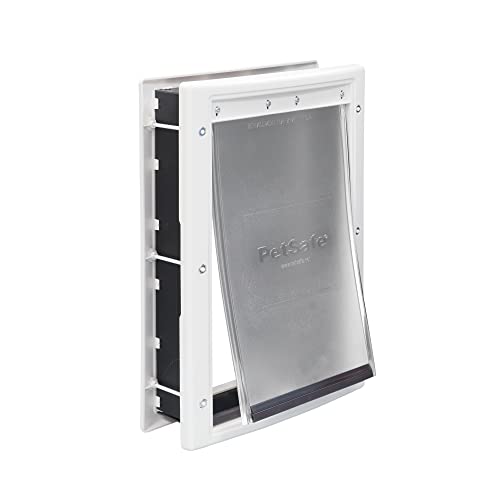
Cut directly through an exterior wall. Provides the best security and insulation because the tunnel length creates a barrier against weather and intruders. Requires professional installation and is not suitable for walls containing wiring or plumbing. The premium tier for permanent installations.
premium to luxuryElectronic / Microchip Door
Uses RFID tags on your dog's collar or reads their microchip to unlock only for your pet. Keeps out stray animals, raccoons, and other wildlife. The highest security tier available. Best for homes with multiple pets of different sizes or areas with wildlife activity.
premium to luxuryScreen Door / Patio Panel
A lightweight option that fits into screen doors or patio enclosures. Budget-friendly and simple to install, but less secure and less weather-resistant than solid options. Best for mild climates and supervised outdoor access rather than full free access.
entry-level to affordableSmart / App-Connected Door
The newest category, featuring app controls, scheduling, activity tracking, and remote locking. Integrates with home automation systems. Offers convenience features beyond basic access control. Requires reliable Wi-Fi and a higher upfront investment.
premium to luxuryFeature Comparison by Door Type
| Door Type | Installation | Security | Energy Efficiency | Best For |
|---|---|---|---|---|
| Sliding Glass Insert | Easy, no tools for some models | Moderate | Good | Renters, apartments, temporary setups |
| Door-Mounted Panel | Moderate, cutting required | Moderate | Good | Interior doors, budget-conscious owners |
| Wall-Mounted | Professional installation needed | High | Excellent | Permanent home installations, cold climates |
| Electronic / Microchip | Varies by model | Very high | Excellent | Multiple pets, wildlife areas, security-conscious |
| Screen / Patio | Easy | Low | Moderate | Mild climates, supervised access |
| Smart / App-Connected | Varies, often moderate | Very high | Excellent | Tech-savvy owners, busy schedules |
If you are comparing several permanent options, our guide to dog doors and installation styles goes deeper into specific models. If you are also planning to fence your yard, pair this with a dog fence guide to ensure your outdoor space is both accessible and safe.
How to Measure & Size Correctly
Sizing errors are the most common cause of dog door returns. A door that is too small traps your dog, causes injury, or is simply refused. A door that is too large leaks energy and creates a security gap. Getting this right takes ten minutes and saves hours of frustration.
Step-by-Step Measurement
- Measure standing shoulder height: With your dog standing naturally on a level surface, measure from the floor to the top of their shoulder blades. Do not measure to the top of the head — dogs lower their heads when walking through a door.
- Measure chest width: Measure across the widest part of your dog's chest, just behind the front legs. This is typically the widest point of their body.
- Add clearance: Add 2 to 4 inches to both the height and width measurements. This allows comfortable passage without scraping. Larger breeds need more clearance because their movement is less precise.
- Factor in the flap opening: The door frame will be larger than the flap. Confirm that the product's flap opening matches your adjusted measurements, not the outer frame size.
- Measure for your largest dog: If you have multiple dogs, always size for the largest. Smaller dogs can use a large door, but large dogs cannot use a small one.
Pro tip: If you have a growing puppy, do not size only for their current dimensions. Puppies can double in size within months. Measure the expected adult size of the breed, or choose an adjustable or larger door. A breed identification tool can help if you are unsure of your puppy's adult size.
Sizing by Dog Size Category
- Toy and small breeds (under 15 lbs): Flap openings typically 6 to 8 inches tall. Suitable for dogs like Chihuahuas and Yorkshire Terriers. Consider whether the dog can reach the flap easily — very small dogs may need a floor-level model.
- Medium breeds (15 to 50 lbs): Flap openings around 10 to 12 inches tall. The most common category. Most harness-wearing dogs fit comfortably through this size.
- Large breeds (50 to 90 lbs): Flap openings 14 to 16 inches tall. Suitable for Labrador Retrievers, German Shepherds, and similar sizes.
- Giant breeds (over 90 lbs): Flap openings 18 inches or more. Great Danes, Mastiffs, and similar dogs require extra-large doors. These are less common and may need custom ordering.
Installation Options
Installation difficulty ranges from "ten minutes with no tools" to "hire a professional contractor." Understanding what each installation involves prevents surprises and mid-project regrets.
What Installation Actually Involves
- Sliding glass inserts: Usually tool-free. The insert fits into the existing door track, and you may need to adjust the track height or add weatherstripping. Reversible at any time.
- Door-mounted panels: Require cutting a rectangular opening in your existing door with a jigsaw, then installing the frame and flap. One to two hours for a confident DIYer with the right tools.
- Wall-mounted doors: Require cutting through the exterior wall, framing the opening, installing the tunnel, and sealing both sides. Professional installation is strongly recommended to avoid structural damage and water intrusion.
- Electronic doors: Installation complexity varies widely. Some are panel-style with simple installation; others require wiring or power access. Check whether the model needs an outlet or runs on batteries.
Before cutting anything: Confirm there are no electrical wires, plumbing pipes, or gas lines in the wall or door where you plan to install. For wall installations, a professional installer or contractor will typically perform this check. Cutting into a hidden pipe or wire creates expensive damage and safety hazards.
If your dog will also spend time outdoors in cold weather, consider pairing the door with winter jackets for dogs and a well-insulated dog house or dog houses to keep them comfortable. For warm climates, a cooling mattress for dogs in a shaded area completes the setup.
Security & Access Control
A dog door is an opening in your home. Without the right security features, it can become an entry point for unwanted animals — or worse. Prioritize security if you live in an area with wildlife or have concerns about home security.
Security Features That Matter
- Locking mechanisms: A manual slide lock that secures the flap when you are home and want the door closed. Essential for all installations and especially for doors not in use overnight.
- Electronic access control: RFID tags or microchip reading ensures only your dog can pass. The highest security tier. Prevents raccoons, stray cats, and other animals from entering.
- Hard flap material: Rigid flaps are harder for intruders and animals to push through than soft vinyl flaps. Rigid flaps also hold their shape better over time.
- Impact resistance: Look for reinforced frames and heavy-duty flaps rated for pushing and clawing. Aggressive chewers may also benefit from durable chew toys to redirect destructive energy.
- Alarm integration: Some smart dog doors integrate with home security systems, alerting you when the door opens outside of normal hours.
Wildlife warning: In areas with raccoons, possums, or coyotes, a standard flap door invites unwanted visitors. These animals are intelligent enough to push through flaps and may even try to enter your home. An electronic door is the safest choice in these environments — our dog door security guide covers specific models with proven access control.
Energy Efficiency Features
The most common complaint about dog doors is energy loss. A poorly sealed door creates a direct draft between indoor and outdoor air, driving up heating and cooling costs. Modern doors address this through several design features.
What to Look For
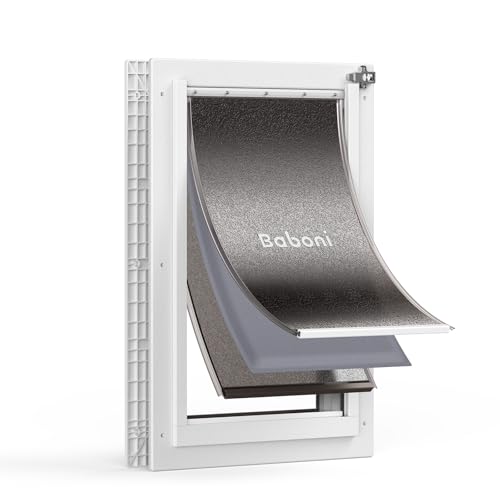
- Double-flap design: Two flaps create an insulating air pocket between them, dramatically reducing air leakage compared to a single flap.
- Magnetic seals: Magnets along the flap edges snap the door closed tightly after each pass, preventing it from remaining ajar.
- Insulated flaps: Foam-filled or multi-layer flaps provide thermal resistance. Especially important in cold climates or for doors on heated spaces.
- Weatherstripping: Rubber or brush seals around the frame block drafts and keep out rain, snow, and insects.
- Tunnel length: Wall-mounted doors have a tunnel section that creates a buffer zone of still air, improving insulation performance.
If you live in an area with extreme temperatures, prioritize energy efficiency above all other features. The cost difference between an entry-level door and a premium insulated door is easily recovered through lower energy bills over a few seasons. Pair an energy-efficient door with a quality dog bed near the door for a comfortable indoor resting spot.
Training Your Dog to Use It
Most dogs learn to use a dog door quickly — often within a few days — because the reward (going outside) is naturally motivating. But some dogs need structured training, especially if they are cautious about new things or have never seen a door flap before.
Step-by-Step Training
- Prop the flap open. Start with the door completely open so your dog can walk through without touching the flap. Use treats and praise to guide them through in both directions. Repeat several times until they move through confidently.
- Lower the flap partway. Once your dog is comfortable with the open doorway, lower the flap to about half-closed. Encourage them to push through with treats visible on the other side.
- Fully close the flap. With the flap fully down, reward any attempt to nose or paw it open. Some dogs push through immediately; others need a few tries. Use a high-value treat on the other side of the flap as motivation.
- Practice both directions. Dogs often learn one direction faster than the other. Practice going out and coming in equally. Reward each successful pass.
- Generalize and fade treats. Once your dog uses the door reliably, reduce treats to occasional praise and let the natural reward of outdoor access maintain the behavior.
Never force your dog through the door. Pushing or shoving creates fear and can make your dog refuse the door permanently. If your dog is anxious, spend more time at the propped-open stage and use higher-value treats. Patience during training is far faster than repairing a fear response. For dogs with anxiety, consider calming aids during the training period.
Common Training Challenges
- Dog won't touch the flap: Try a door with a softer, more flexible flap. Some dogs dislike the sound or texture of rigid flaps.
- Dog uses the door but won't come back in: Practice with treats visible indoors. For food-motivated dogs, a scheduled feeder near the door can create a reason to return.
- Dog uses the door to escape the yard: A dog door is not a fence. Ensure your yard is secure with a proper dog fence. If your dog is escaping, they are not getting enough supervision or exercise — address the root cause.
- Puppy chews the flap: Some puppies treat the flap as a toy. Discourage this by redirecting to appropriate teething chew toys for puppies and rewarding calm behavior near the door.
Common Buying Mistakes to Avoid
These mistakes are easy to make and expensive to fix. Learn from other owners' experiences:
- Measuring only at the shoulder and forgetting chest width. A door wide enough for the shoulders but too narrow for the chest creates a squeeze point. Measure both dimensions.
- Buying the cheapest door for a permanent installation. Entry-level doors are fine for temporary setups, but for a hole cut into your wall, invest in a mid-range or premium model with proper sealing and durable hardware.
- Ignoring energy efficiency in cold climates. A single-flap door in a freezing climate creates a constant draft and can raise heating bills noticeably. Double-flap insulated doors are worth the higher upfront tier.
- Installing without checking for obstacles. Wires, pipes, and vents can be hidden inside walls and doors. Always check before cutting.
- Skipping the lock. A lock allows you to secure the door when you are away or during extreme weather. Doors without locks leave your home permanently open to the outside.
- Not training at all. Assuming your dog will "just figure it out" sometimes works — but structured training with treats is faster and prevents confusion. A few short sessions make the difference.
- Buying an electronic door for a single-pet home without research. Electronic doors require some setup: registering tags, ensuring batteries are fresh, and training your dog to wait for the unlock. For single dogs, a well-secured mechanical door is often sufficient.
- Neglecting the flap over time. Flaps wear out. Check periodically for cracks, stiffness, or failure to seal. A replacement flap is inexpensive and restores efficiency and security.
Frequently Asked Questions
Ready to choose your dog door?
Start by deciding on your installation type — sliding insert for renters, wall mount for permanent homes, or electronic for maximum security. Measure your dog using the shoulder-height and chest-width method, add clearance, and pick a model with locking and weather-sealing features. Browse our recommended products below to compare top-rated options across every category and tier.