Dog Hunters: The Complete Guide to Hunting Dogs
Everything you need to know about hunting dog breeds, training, safety gear, health care, and maximizing performance in the field.
Hunting dogs are not just pets — they are working partners. Whether you pursue upland birds, waterfowl, big game, or small game, a well-trained hunting dog can dramatically improve your success in the field. But owning and handling a hunting dog requires commitment, knowledge, and the right equipment. This guide covers everything you need to know to get the most from your canine hunting companion.
From selecting the right breed to advanced field training, from safety gear to emergency preparedness, we'll walk you through each critical aspect. Whether you are a first-time hunting dog owner or a seasoned handler looking to refine your approach, the information here will help you and your dog perform at your best.
Best Hunting Dog Breeds
The ideal hunting dog depends on what you hunt, where you hunt, and your experience level. Different breeds excel at different tasks — pointing, flushing, retrieving, tracking, or treeing. Understanding these categories helps you choose a dog that matches your hunting style.
Pointers & Setters
English Pointers, German Shorthaired Pointers, English Setters, and Irish Setters are classic upland bird dogs. They range out, locate game, and hold a rigid point until you flush. These breeds need extensive exercise and mental stimulation. Best for open fields and grasslands.
High-energy / SpecialistRetrievers
Labrador Retrievers, Golden Retrievers, and Chesapeake Bay Retrievers are the gold standard for waterfowl. They mark fallen birds, swim in cold water, and deliver to hand. Highly trainable, eager to please, and excellent family dogs when off-duty. Best for duck and goose hunting.
Versatile / Family-friendlyFlushing Spaniels
English Cocker Spaniels, Springer Spaniels, and Boykin Spaniels work close to the hunter, flushing birds from dense cover. They are compact, energetic, and excellent in thick brush. Best for woodcock, grouse, and pheasant in heavy cover.
Close-working / AdaptableHounds
Beagles, Coonhounds, and Foxhounds use their extraordinary noses to track and trail game. They are relentless, vocal, and independent. Best for rabbit, raccoon, and fox hunting. Require secure fencing and patient training.
Scent-driven / IndependentTerriers
Jack Russell Terriers, Patterdale Terriers, and Jagdterriers are fearless earth dogs. They go to ground after fox, badger, and other den-dwelling game. Bold, tenacious, and high-drive. Best for earth work and ratting.
Earth-working / TenaciousVersatile Breeds
German Wirehaired Pointers, Weimaraners, and Brittany Spaniels do it all — point, flush, retrieve, and track. They adapt to multiple game types and terrains. Excellent for hunters who pursue a variety of game.
All-purpose / Highly trainableChoosing a Breed: Consider your climate, terrain, game type, and the amount of time you can dedicate to training and exercise. High-drive breeds like German Shorthaired Pointers and Border Collies are not suitable for casual hunters — they need a job. If you are new to hunting dogs, a Labrador Retriever or English Springer Spaniel is often the most forgiving choice.
Training Your Hunting Dog
Training transforms a dog from a pet into a hunting partner. It requires consistency, patience, and a structured approach. The foundation starts with obedience, then progresses to field work and specialized tasks.
Foundation Obedience
Before any field work, your dog must master basic commands — sit, stay, come, heel, and kennel. These are non-negotiable for safety and control. Use positive reinforcement with treats, praise, and play. Keep sessions short (10-15 minutes) and always end on a positive note. A dog that doesn't come reliably on command is a danger to itself and others in the field.
Gunfire Introduction
Gun shyness is one of the most common reasons hunting dogs fail. Prevent it by introducing loud noises gradually and positively. Start with distant gunfire during play or feeding, pairing the sound with something enjoyable. Never rush this process — a single bad experience can create a lifelong fear. If you are unsure, seek help from a professional gun dog trainer.
Field Training by Discipline
- Retriever Training: Start with basic fetch, then progress to marked retrieves, blind retrieves, and handling signals (hand casts and whistles). Water work should be introduced gradually. Force fetch is controversial — positive methods are now preferred.
- Pointer Training: Encourage natural pointing instinct through play and exposure to birds. Use a check cord to control range. Steadying to wing and shot requires patience — many trainers use pigeons or quail in controlled setups.
- Flusher Training: Teach your spaniel to work close and quarter the ground. Whistle commands control direction and range. Steadying to flush prevents chasing — this requires consistent reinforcement.
- Hound Training: Start with simple trailing games, then progress to live scent. Hounds are independent and often ignore commands when on a hot trail. GPS tracking is essential. Patience is key — hounds mature slowly.
- Terrier Training: Focus on recall and control around dens. Terriers are bred to work independently underground, so obedience must be solid before entering any earth. Artificial dens are excellent for practice.
Pro Tip: Join a local hunting dog club or training group. Training alongside experienced handlers accelerates your progress, exposes your dog to distractions, and provides access to birds, land, and mentorship. Many clubs offer structured programs for retrievers, pointers, and hounds. See our dog training classes guide for what to look for.
Essential Gear & Equipment
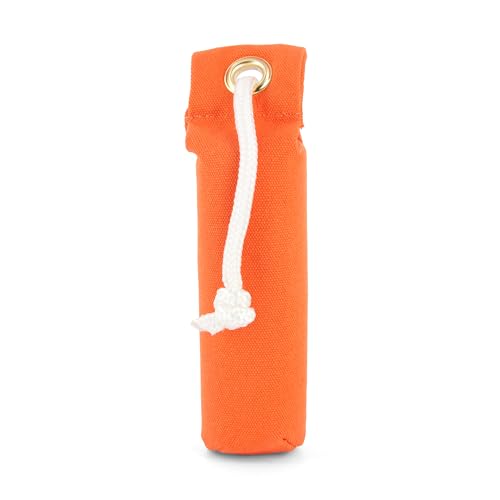
The right gear protects your dog, improves performance, and makes your hunt safer and more enjoyable. Here are the essentials every hunting dog owner should have.
Health & Conditioning
A hunting dog is an athlete. Their health and fitness directly impact their performance and longevity. Preventive care, proper conditioning, and prompt treatment of injuries are essential.
Pre-Season Preparation
- Veterinary Checkup: Schedule a full exam before the season. Ensure vaccinations are current, parasite prevention is up to date, and your dog is cleared for strenuous activity. See our dog vet visits guide for what to expect.
- Conditioning Program: Start 6-8 weeks before the season. Gradually increase exercise duration and intensity. Roading (running alongside a bike or ATV) is popular but must be introduced slowly. Swimming is excellent low-impact conditioning.
- Weight Management: An overweight dog overheats faster and tires quickly. Your dog should be lean and fit — you should feel ribs easily without pressing. See our dog weight management guide.
- Dental Care: Dental disease affects overall health and can cause pain that reduces performance. Brush teeth regularly and schedule professional cleanings as needed. See our dog dental cleaning guide.
Common Hunting Dog Injuries
- Paw Injuries: Cuts, abrasions, and torn pads are the most common. Check paws after every hunt. Boots prevent many injuries. Clean and bandage minor cuts immediately. See our dog paw protection guide.
- Muscle Strains & Sprains: Especially in older dogs or those not properly conditioned. Rest, ice, and anti-inflammatory medication (under vet guidance) help. Prevent with gradual conditioning.
- Heat Exhaustion: Dogs cannot sweat efficiently. Watch for excessive panting, drooling, weakness, or collapse. Cool with water and seek vet care immediately. Never hunt in extreme heat.
- Hypothermia: Cold water and wind can quickly lower body temperature. Neoprene vests help. Watch for shivering, lethargy, and weakness. Warm gradually and seek vet care if severe.
- Cuts & Abrasions: Brush, fences, and debris cause lacerations. Carry a first aid kit and know how to stop bleeding. Deep cuts require vet attention.
- Ear Infections: Floppy-eared dogs are prone, especially after swimming. Dry ears thoroughly after water work. See our dog ear infections guide.
Joint Health: Hunting dogs put tremendous stress on their joints. Consider joint supplements with glucosamine and chondroitin, especially for older dogs or those with a history of joint issues. See our dog joint supplements and green-lipped mussel guides.
Safety in the Field
Hunting involves firearms, rough terrain, water, and unpredictable weather. Safety must be your top priority — for yourself and your dog.
- Blaze Orange: Your dog should wear blaze orange anytime you are hunting during firearms season. This is not optional in many areas. It prevents tragic accidents.
- Recall Reliability: A dog that doesn't come when called is a danger. Practice recall under distraction regularly. Use an e-collar or GPS collar as a backup, not a substitute for training.
- Water Safety: Not all dogs are natural swimmers. Introduce water gradually. Use a dog life jacket for waterfowl hunting or boating. Watch for currents, ice, and fatigue.
- Terrain Awareness: Know the terrain before you hunt. Steep cliffs, hidden holes, and unstable ground can injure your dog. Keep your dog in sight when possible.
- Temperature Management: Avoid hunting in extreme heat. In cold weather, monitor for hypothermia. Provide shelter and rest breaks.
- Emergency Plan: Know the nearest emergency vet clinic. Carry a first aid kit. Have a way to transport an injured dog — a dog stretcher or improvised sling can save your dog's life.
Nutrition for Active Dogs
Hunting dogs burn significantly more calories than pet dogs. A day in the field can burn 2-3 times their normal daily energy expenditure. Proper nutrition supports performance, recovery, and overall health.
Performance Tip: During multi-day hunts, your dog's calorie needs can double. Pack high-calorie treats or a performance kibble to maintain energy. Some handlers feed a mix of dry food and meat or eggs during heavy work days. Always transition to new foods gradually to avoid digestive upset.
GPS & Tracking Technology
Modern technology has revolutionized hunting with dogs. GPS tracking collars allow you to monitor your dog's location in real time, even when they are out of sight. This is especially valuable for hounds, pointers, and any dog that ranges widely.
For more information on GPS technology, see our dog tracker and dog GPS tracker guides.
Frequently Asked Questions
Start Slow, Train Consistently, Hunt Responsibly
Hunting with dogs is one of the most rewarding experiences for a dog owner. It taps into your dog's natural instincts, strengthens your bond, and provides purpose. But it requires commitment. Start with a breed that matches your hunting style, invest in professional training if needed, prioritize safety, and always put your dog's health first. The investment pays off in seasons of successful hunts and a happy, fulfilled canine partner. Your dog will thank you for it.