Most Effective Tick and Flea Treatment for Dogs
Fleas and ticks are more than a nuisance — they transmit serious diseases and cause relentless discomfort. This guide cuts through the marketing noise and helps you identify the most effective parasite protection for your dog based on science, safety, and real-world results.
If you have ever watched your dog scratch relentlessly or found a tick embedded in their skin, you understand why parasite control is non-negotiable. Fleas cause allergic dermatitis, anemia in severe cases, and transmit tapeworms. Ticks carry Lyme disease, ehrlichiosis, anaplasmosis, and Rocky Mountain spotted fever — diseases that can cause lifelong complications for your dog and, in some cases, affect humans too.
The challenge is that the market is flooded with products claiming to be the "most effective." Chewables, spot-on treatments, collars, shampoos, and sprays all promise protection, but their actual performance varies enormously based on the active ingredient, your dog's lifestyle, and the parasite pressure in your region. This guide will help you make an informed decision — the kind of decision that protects your dog without wasting money on products that underdeliver.
Why Effective Treatment Matters
Fleas and ticks are not just seasonal annoyances. In many climates, they are active year-round, and indoor environments provide perfect conditions for flea reproduction. A single female flea can lay up to 50 eggs per day, which means a minor infestation can become a household problem within weeks.
Ticks are particularly dangerous because they can transmit diseases within hours of attachment. The longer a tick feeds, the higher the risk of disease transmission. An effective treatment either kills ticks before they attach or causes them to detach quickly, dramatically reducing this risk. If you are unsure whether your dog's current prevention is adequate, our guide on effective flea and tick prevention walks through the principles of a complete protection strategy.
Did You Know?
Flea allergy dermatitis is one of the most common skin conditions in dogs. Just a few flea bites can trigger intense itching, hair loss, and secondary skin infections in sensitive dogs — even if you never see a flea on your pet.
Ticks are active whenever temperatures rise above freezing, and some species remain active in winter. Year-round prevention is the safest approach in most regions.
Types of Flea and Tick Treatments
Understanding the categories of parasite control helps you evaluate which approach fits your dog's needs. Each delivery method has distinct strengths and limitations.
Oral Chewables
Flavored tablets or soft chews that your dog ingests. The active ingredient enters the bloodstream and kills parasites when they bite. Cannot be washed off by swimming or bathing. Fast-acting against fleas, with some products killing fleas within 30 minutes to 4 hours. Excellent option for dogs with sensitive skin or those who dislike topical residue.
Premium tierTopical Spot-On Treatments
Liquid applied between the shoulder blades directly onto the skin. The active ingredient spreads across the skin surface and into the hair follicles. Provides contact repellency against ticks for some formulations. Must not be washed off for 48 hours after application. Effective for many dogs but can leave a greasy residue and may irritate sensitive skin.
Mid-to-premium tierFlea and Tick Collars
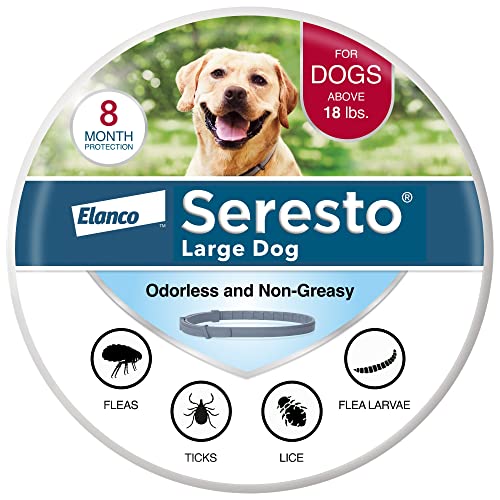
Slow-release collars that distribute active ingredients across the coat and skin. Modern collars can provide protection for six to eight months. Convenient and long-lasting, but effectiveness can diminish near the end of the collar's lifespan. Not ideal for dogs who chew or remove collars, and not recommended for households with small children who may touch the collar frequently.
Mid-tierShampoos and Dips
Provide immediate knockdown of existing fleas and ticks but have no residual activity. Useful as an initial treatment during an active infestation or before starting a preventive. Not a substitute for ongoing protection. Our guide to effective flea and tick shampoo covers how to use these products safely and effectively.
Entry-levelSprays
Can be applied to the coat or environment. Some provide residual protection, but most require frequent reapplication. Useful for targeted treatment of bedding, furniture, and outdoor areas. Not the most practical choice for daily protection on the dog itself, especially for dogs who dislike being sprayed.
Entry-level to mid-tierPrescription vs. Over-the-Counter
Prescription products generally contain newer, more potent active ingredients with a stronger safety and efficacy profile. Over-the-counter options vary widely in quality. Our guide to effective over-the-counter flea treatment explains which non-prescription products are worth considering and which to avoid.
Varies by productOral vs. Topical: Which Is Better?
This is the most common question dog owners ask, and the honest answer is that both can be highly effective — but they suit different dogs and different situations. Here is how they compare on the factors that matter most.
| Factor | Oral Chewables | Topical Spot-On |
|---|---|---|
| Speed of flea kill | Very fast (some within 30 minutes) | Fast (typically within 12–24 hours) |
| Duration | Monthly or every 3 months depending on product | Monthly |
| Water resistance | Unaffected by swimming or bathing | Water-resistant after drying, but not waterproof |
| Residue on coat | None | Some products leave visible or greasy residue |
| Tick repellency | Kills ticks after they bite; limited repellency | Some formulations repel ticks on contact |
| Suitable for sensitive skin | Yes — no skin contact | May irritate sensitive skin; patch test recommended |
| Ease of administration | Requires dog to accept chewable; most dogs do | Requires correct application and separation from other pets |
For dogs with sensitive skin, oral chewables are often the better choice because they eliminate the risk of topical irritation. For dogs who cannot tolerate oral medication or who live in areas with heavy tick pressure, a high-quality topical — or a combination approach — may be more appropriate. Your veterinarian can help you weigh these factors based on your dog's individual health profile.
Key Active Ingredients Explained
The effectiveness of any product comes down to its active ingredient. Understanding what these compounds do helps you evaluate claims and avoid products that are ineffective or unsafe.
Isoxazoline Class (Oral)
This is the most widely prescribed class of oral flea and tick preventives. Active ingredients include afoxolaner, fluralaner, sarolaner, and lotilaner. These compounds target the nervous system of parasites, causing rapid paralysis and death. They are highly effective against fleas and multiple tick species, and their long duration of action makes them convenient. Most are given monthly or every three months. While generally safe, the isoxazoline class carries a warning for potential neurological adverse events in a small number of dogs — your vet can assess whether this risk is relevant for your pet.
Spinosad and Spinetoram (Oral)
These compounds are derived from a naturally occurring soil bacterium. They are effective against fleas and are often combined with other ingredients to broaden coverage against ticks and internal parasites. They are a good option for dogs who need flea control with a different mechanism of action than the isoxazolines.
Fipronil (Topical)
One of the most well-known topical active ingredients. Fipronil disrupts the parasite's nervous system and is effective against fleas and ticks. It is the foundation of many spot-on products. While older than some newer compounds, it remains effective when applied correctly, though resistance has been reported in some flea populations.
Imidacloprid and Permethrin (Topical)
Imidacloprid targets fleas, while permethrin provides tick and mosquito repellency. This combination is common in spot-on products for dogs. Permethrin is highly toxic to cats, so this type of product must never be used on cats or in households where cats may groom the treated dog.
Safety Note: Never use a product labeled for dogs on a cat. Permethrin, in particular, is lethal to cats. If you have both dogs and cats, consult your veterinarian to choose products that are safe for every animal in your household.
If you are looking for options that do not require a veterinary prescription, our guide to oral flea and tick treatments without a vet prescription reviews which non-prescription products are available and how they compare.
Treatment Comparison Table
This table summarizes how the main product categories compare on the dimensions that matter most for choosing a treatment.
| Product Type | Best For | Key Strength | Main Limitation | Typical Tier |
|---|---|---|---|---|
| Oral isoxazoline chewable | Most dogs, especially those with sensitive skin or active lifestyles | Fast, long-lasting, water-resistant | Requires ingestion; prescription required | Premium |
| Oral spinosad combination | Dogs needing broad-spectrum flea and internal parasite control | Effective flea control with additional worm coverage | Less tick coverage than isoxazolines | Mid-to-premium |
| Topical fipronil spot-on | Dogs who cannot take oral medication | Proven efficacy, widely available | Residue, washing restrictions, resistance concerns | Mid-tier |
| Topical imidacloprid/permethrin | Dogs in high tick and mosquito areas without cats in the home | Repellent activity against ticks and mosquitoes | Toxic to cats; skin sensitivity possible | Mid-tier |
| Flea and tick collar | Owners who prefer low-maintenance, long-duration protection | Six to eight months of protection per collar | Variable efficacy, not suitable for all dogs | Mid-tier |
| Shampoo or dip | Immediate knockdown during active infestation | Fast relief from existing fleas | No residual protection | Entry-level |
How to Choose the Right Treatment
The "most effective" product is the one that fits your dog's lifestyle, health status, and your local parasite risk. Use these criteria to narrow your options.
- Assess your dog's risk level. Dogs who hike, swim, or spend time in tall grass or wooded areas face higher tick exposure. Dogs in warm, humid climates face year-round flea pressure. Match the intensity of your prevention to the actual risk, not just the season.
- Consider your dog's health status. Dogs with epilepsy, liver disease, or other chronic conditions may need specific products or dose adjustments. Puppies and senior dogs have different safety considerations. Always involve your veterinarian in the decision for dogs with health issues.
- Factor in your lifestyle. If your dog swims frequently, an oral chewable is more practical than a topical that washes off. If your dog has sensitive skin or a history of topical reactions, oral medication avoids that problem entirely.
- Check for household safety. If you have cats, avoid permethrin-based products. If you have young children, consider whether a collar or topical residue poses a risk.
- Prioritize veterinary-approved products. Products with a proven safety and efficacy record, backed by clinical trials, are worth the investment. Our guide to the safest and most effective flea and tick treatment covers how to evaluate safety data and choose products with the best track record.
- Plan for year-round protection. Fleas can survive indoors through winter, and ticks emerge as soon as temperatures rise. Stopping treatment in cold months leaves your dog vulnerable when parasites return.
Application Tips and Common Mistakes
Even the best product fails if it is used incorrectly. These are the most common errors owners make and how to avoid them.
- Applying topical products to the fur instead of the skin. The active ingredient needs to reach the skin to be absorbed. Part the fur and apply directly to the skin between the shoulder blades.
- Bathing too soon after application. Most topical products need 48 hours to spread and bind to the skin. Bathing sooner washes away the active ingredient before it can work.
- Using the wrong dose for your dog's weight. Underdosing leaves your dog unprotected; overdosing increases the risk of adverse reactions. Weigh your dog accurately and follow the weight bands on the product label.
- Missing doses. Oral and topical preventives work on a schedule. Mark your calendar or set a reminder so you don't accidentally skip a month. Missing a dose gives parasites a window to re-establish.
- Not treating the environment. Fleas spend most of their life cycle off the dog — in bedding, carpets, and furniture. During an active infestation, wash bedding in hot water, vacuum thoroughly, and consider an environmental flea treatment alongside your dog's preventive.
- Assuming a product works immediately. Some products take 24–48 hours to reach full efficacy. If your dog already has fleas, you may need a fast-acting shampoo or a product that starts killing within hours. Our guide to the best way to get rid of fleas on a dog covers strategies for active infestations.
Important Reminder: Never combine multiple flea and tick products without veterinary guidance. Some active ingredients can interact, increasing the risk of toxicity. If you switch products, allow an appropriate washout period as recommended by your vet.
Natural and Alternative Options
Many owners prefer to explore natural options first, especially for dogs with sensitivities to conventional products. Natural remedies can support parasite control, but they are not a substitute for proven preventives in high-risk situations.
Essential oils such as cedarwood, lavender, and peppermint are often used in homemade repellent sprays. However, many essential oils are toxic to dogs if ingested or applied incorrectly, and their efficacy is short-lived. Diatomaceous earth can help dry out fleas in the environment, but it must be food-grade and used carefully to avoid respiratory irritation. Our guide to effective natural flea treatment reviews the evidence behind these approaches and how to use them safely.
If you are considering a natural approach, use it as a complement to — not a replacement for — veterinary-approved prevention during peak parasite season. For dogs who cannot tolerate conventional products, your veterinarian can help you build an alternative plan that still provides meaningful protection. The natural safe flea and tick prevention guide offers additional options for sensitive dogs.
For those who prefer a topical approach with natural ingredients, the effective topical flea treatment guide explains how to evaluate topical products and which formulations are worth considering.
Frequently Asked Questions
Final Takeaway
The most effective tick and flea treatment is the one that matches your dog's risk profile, health status, and your household situation. For most dogs, a veterinary-prescribed oral chewable or a high-quality topical spot-on provides reliable protection. Consistency matters as much as product choice — missing doses or stopping treatment in winter leaves gaps that parasites exploit.
If you are still deciding between options, our guide to the most effective flea and tick medicine compares active ingredients in greater detail. And if cost is a concern, the cost-effective flea and tick treatment guide identifies where you can save without sacrificing protection. For dogs with sensitive skin, the best treatment for sensitive skin covers gentle but effective alternatives.