Pomeranian Dog: The Complete Breed Guide
Everything you need to know about the Pomeranian — the tiny toy breed with a giant personality. From grooming and training to health care and temperament, this guide helps you understand what it truly takes to raise a happy, healthy Pom.
The Pomeranian is one of the most recognizable toy breeds in the world — a small, fluffy dog with a fox-like face, an confident stride, and a personality far larger than its tiny frame. Originally bred from larger sled-pulling dogs in the Pomerania region of Europe, the modern Pomeranian has become a beloved companion for families, singles, and seniors alike.
Despite their adorable appearance, Pomeranians are intelligent, alert, and spirited dogs that require consistent care, training, and grooming. This guide covers every aspect of Pomeranian ownership so you can decide whether this breed fits your lifestyle and learn how to care for one properly. If you are still exploring small companion breeds, our guide to popular dog breeds offers helpful comparisons.
Breed Overview & Origins
The Pomeranian takes its name from Pomerania, a historical region on the southern shore of the Baltic Sea in what is now parts of Germany and Poland. The ancestors of today's Pomeranian were much larger dogs — descendants of sled-pulling Spitz breeds like the Samoyed and Keeshond — used for herding and pulling. Over generations of selective breeding, the breed was downsized into the compact toy dog we know today.
Queen Victoria of England is credited with popularizing the Pomeranian in the 19th century, helping to reduce its size and establish its place in royal households across Europe. The breed was recognized by the American Kennel Club in 1888 and has since become one of the most popular toy breeds worldwide.
Key Breed Characteristics
- Size: Toy breed, typically 3 to 7 pounds and 6 to 7 inches tall at the shoulder.
- Coat: Thick double coat with a soft, fluffy undercoat and a longer, harsher outer coat.
- Colors: Over a dozen recognized colors including orange, black, white, cream, sable, and parti-color.
- Lifespan: 12 to 16 years with proper care.
- Energy level: Moderate — spirited and playful but happy to relax indoors.
- Bark level: High — alert and vocal, making them excellent watchdogs.
- Good with children: Best with older, gentle children who understand small-dog handling.
- Shedding: Moderate to high — regular brushing is essential.
Quick Facts at a Glance:
Origin: Pomerania, Europe
Breed Group: Toy
Average Weight: 3–7 lbs
Height: 6–7 inches
Lifespan: 12–16 years
Grooming Needs: High
Exercise Needs: Moderate
Training Difficulty: Moderate — intelligent but independent
If you are considering a Pomeranian puppy, understanding the breed's origins helps explain its traits: the alert watchdog instinct, the confident attitude, and the need for mental stimulation all come from its Spitz heritage. You can explore available options through our guide to Pomeranian puppies.
Temperament & Personality
Pomeranians are often described as "big dogs in small bodies." They are bold, curious, and highly observant, with a natural tendency to alert their owners to anything unusual. This makes them excellent watchdogs despite their tiny size. They bond closely with their families and can become quite attached to a primary caregiver.
Despite their spirited nature, Pomeranians are generally affectionate and playful. They enjoy being the center of attention and thrive on interaction with their humans. Left alone for long periods, they can develop separation anxiety, which often manifests as excessive barking or destructive behavior.
Socialization Matters: Early socialization from 3 to 14 weeks of age is crucial for Pomeranians. Without positive exposure to new people, animals, and environments, they can become timid or overly defensive. Enroll in a puppy class and introduce new experiences gradually and positively.
Are Pomeranians Good Family Dogs?
Pomeranians can be wonderful family companions, but their small size makes them best suited to households with older children who know how to handle a fragile dog gently. Toddlers may inadvertently hurt a Pomeranian, and the dog may snap defensively. Supervision is always necessary around young children.
They generally do well with other pets when properly introduced, though their bold personality can sometimes lead to bossy behavior toward larger dogs. Early socialization and consistent training help prevent these conflicts.
Grooming & Coat Care
Grooming is one of the most important aspects of Pomeranian ownership. Their thick double coat is beautiful but requires consistent maintenance to prevent matting, tangles, and skin problems. Neglecting grooming leads to painful mats that pull on the skin and may require professional dematting or shaving.
Brushing Routine
Pomeranians should be brushed three to four times per week — daily during heavy shedding periods. Use a slicker brush to remove loose hair and a metal comb to check for tangles near the skin. Pay particular attention to the areas behind the ears, under the front legs, and around the hindquarters, where mats form most easily.
Bathing
Bathe your Pomeranian every two to three weeks using a gentle dog-specific shampoo. Human shampoos disrupt the coat's natural oils and can cause dryness and irritation. After bathing, dry the coat thoroughly — a dog dryer on a cool setting helps prevent matting and skin irritation from trapped moisture.
Professional Grooming
Professional grooming every four to six weeks is recommended to maintain the coat's shape and health. Groomers can trim the sanitary area, shape the coat, and check for skin issues. Regular professional grooming also makes at-home maintenance much easier.
Other Grooming Tasks
- Nail trimming: Every two to four weeks. Long nails cause gait problems and joint stress.
- Ear cleaning: Weekly, using a dog-specific ear cleaner to prevent infections.
- Dental care: Brush teeth daily or at least three times weekly to prevent dental disease.
- Eye care: Wipe away discharge daily and keep hair trimmed around the eyes to prevent irritation.
For a complete grooming toolkit, explore our recommendations for dog brushes and dog shampoo.
Exercise & Activity Needs
Don't let their small size fool you — Pomeranians have real energy and need daily activity to stay healthy and happy. Adult Pomeranians need about 30 to 60 minutes of exercise per day, split into two or three short walks and indoor play sessions.
Short walks are ideal because their small legs tire quickly, and they are sensitive to extreme temperatures. In hot weather, walk during cooler parts of the day, and in cold weather, consider a dog coat or sweater to keep them warm.
Mental Stimulation
Physical exercise is only half the equation. Pomeranians are intelligent dogs that need mental stimulation to prevent boredom and destructive behavior. Puzzle toys, training sessions, and interactive games keep their minds engaged. Explore our selection of puzzle toys for dogs and interactive dog toys to keep your Pom entertained.
Signs Your Pomeranian Needs More Exercise:
• Excessive barking or whining
• Chewing furniture or household items
• Pacing or restlessness
• Weight gain despite normal feeding
• Attention-seeking behaviors like nipping
Training a Pomeranian
Pomeranians are intelligent dogs that respond well to positive reinforcement training. However, they also have a stubborn streak and a tendency to think they are in charge. Consistent, patient training from an early age is essential to prevent small-dog behavior problems like excessive barking, jumping, and resource guarding.
Essential Commands
- Sit: The foundation of all training. Use for greetings and waiting at doors.
- Stay: Builds impulse control and is essential for safety.
- Come: The most important safety command — never punish your dog for coming to you.
- Leave it: Prevents your dog from picking up dangerous items or chasing wildlife.
- Quiet: Essential for managing the Pomeranian's natural barking tendency.
Managing Excessive Barking
Barking is one of the most common Pomeranian behavior complaints. Because they are alert and territorial, they bark at visitors, noises, and anything unusual. The key is to teach them when barking is appropriate and when it is not. Reward quiet behavior, manage triggers, and never yell — yelling sounds like barking to your dog and makes the problem worse.
House Training
Small breeds can be challenging to house train because they have small bladders and may not signal clearly. Consistent scheduling, crate training, and positive reinforcement are the most effective approaches. Pee pee pads for puppies can be useful during early training, especially in apartments.
For a step-by-step approach to training, see our guides on behavior modification techniques and when to see a behaviorist.
Health Concerns & Prevention
Pomeranians are generally healthy dogs with a lifespan of 12 to 16 years. However, like all breeds, they are predisposed to certain health conditions. Understanding these risks helps you provide preventive care and catch problems early.
Common Pomeranian Health Issues
- Patellar luxation: Dislocation of the kneecap, common in small breeds. Symptoms include skipping gait and reluctance to bear weight. Learn more about patellar luxation symptoms.
- Tracheal collapse: Weakening of the windpipe causing a honking cough. Use a harness instead of a collar to reduce pressure on the neck.
- Dental disease: Small breeds are prone to crowded teeth and tartar buildup. Daily brushing and professional cleanings are essential.
- Alopecia: Hair loss, especially on the body and tail, sometimes related to thyroid issues or breeding. Consult your vet if you notice unusual shedding.
- Hypoglycemia: Low blood sugar, especially in puppies. Small dogs need regular meals to maintain stable blood sugar.
- Luxating patella and Legg-Calvé-Perthes disease: Hip and joint conditions that may require veterinary intervention.
Preventive Care Checklist: Annual wellness exams, core vaccinations, parasite prevention, dental cleanings as recommended, and weight management. Consider pet insurance early — our pet insurance guide explains how to choose a plan that covers breed-specific conditions.
Responsible breeders screen breeding dogs for genetic conditions. When choosing a breeder, ask about health testing and see our guide on genetic testing for dog breeds.
Diet & Nutrition
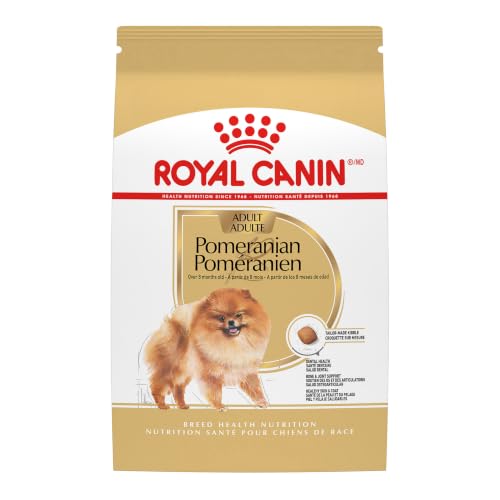
Pomeranians need a complete, balanced diet formulated for small-breed dogs. Their small mouths and fast metabolisms mean they need nutrient-dense food in appropriately sized kibble. Choose a food that meets AAFCO standards and lists a named meat source as the first ingredient.
Feed adult Pomeranians two meals per day and puppies three to four small meals per day. Avoid free-feeding, as Pomeranians are prone to obesity. Treats should make up no more than 10 percent of daily calories.
Feeding Tips
- Choose small-breed kibble or wet food designed for toy breeds.
- Avoid foods toxic to dogs — chocolate, grapes, raisins, onions, xylitol, and more.
- Provide fresh water at all times and wash bowls regularly.
- Monitor body condition monthly — you should feel the ribs but not see them.
Explore our guides on dry dog food, wet dog food, and dog treats for small breeds, and consider a dog food container to keep food fresh.
Living With a Pomeranian
Pomeranians adapt well to many living situations, including apartments, as long as their exercise and mental stimulation needs are met. They are happiest when included in family activities and given plenty of attention.
Apartment Living
Their small size makes them ideal apartment dogs, but their barking can be an issue with neighbors. Early training and plenty of exercise help reduce excessive vocalization. Provide a quiet retreat space and use calming products if your Pom is anxious.
Safety Considerations
- Fragile frame: Avoid rough play and jumping from high furniture. Use dog steps or ramps to protect their joints.
- Temperature sensitivity: Pomeranians are sensitive to heat and cold. Provide shade and water in summer and a warm coat in winter.
- Secure harness: Use a dog harness instead of a collar for walks to protect the trachea.
- Identification: Microchip your dog and use a dog tag in case they slip out.
Traveling With a Pomeranian
Their small size makes Pomeranians convenient travel companions. Use a secure dog carrier or dog car seat for car travel, and consider a dog car harness for safety. For air travel, check airline-specific carrier requirements.
Choosing Your Pomeranian
Bringing home a Pomeranian is a long-term commitment — 12 to 16 years of care, grooming, and companionship. Choosing the right breeder or rescue organization is one of the most important decisions you will make.
Finding a Reputable Breeder
Look for a breeder who health-tests their breeding dogs, provides a clean environment, allows you to meet the puppy's parents, and asks you questions about your lifestyle. Avoid breeders who sell puppies without meeting you, offer multiple litters at once, or refuse to show health clearances. See our guides on how to find a reputable dog breeder and questions to ask a dog breeder.
Puppy vs. Adult
Puppies require significant time and training, while adult Pomeranians may already be trained and socialized. If you are a first-time owner or have a busy schedule, an adult rescue may be a better fit.
What to Expect on Day One
- Prepare a safe space with a dog crate and dog bed.
- Stock up on puppy food, dog bowls, and puppy pads.
- Schedule a vet visit within 48 hours of bringing your puppy home.
- Start socialization and basic training immediately.
For a complete preparation checklist, see our puppy guide and preparing your home for a puppy. If you prefer to buy from a breeder, explore Pomeranian puppies for sale from breeders.
Frequently Asked Questions
Is a Pomeranian Right for You?
The Pomeranian is an affectionate, intelligent, and lively companion that brings joy to the right household. If you can commit to regular grooming, patient training, daily exercise, and plenty of attention, a Pomeranian can be a wonderful addition to your family. They are best suited to owners who want a small dog with a big personality and are prepared for the grooming and training demands of the breed. If you are ready, explore Pomeranian puppies and start your journey with this remarkable breed.