Safe and Effective Flea and Tick Treatment for Dogs
Fleas and ticks are more than an itchy nuisance — they carry disease, cause skin infections, and can transmit serious illnesses to your family. This guide helps you choose a treatment that actually works and is genuinely safe for your dog.
If you have ever found a flea on your dog or pulled a tick from their coat, you already know how quickly a small problem becomes a household infestation. Fleas reproduce at an alarming rate — a single female can lay dozens of eggs per day — and ticks can carry Lyme disease, ehrlichiosis, and other infections that affect both dogs and humans.
The good news is that modern flea and tick treatments are highly effective when chosen and applied correctly. The challenge is that the market is crowded with products of wildly different quality, and not every product is safe for every dog. This guide cuts through the marketing claims so you can make a confident decision, whether you are shopping for a first treatment or switching from something that did not work. If you are still comparing categories, our overview of recommended flea and tick treatment for dogs is a useful companion to this page.
Why Flea and Tick Control Matters
Fleas and ticks are not just uncomfortable — they are vectors for disease and can cause secondary health problems that are far more expensive to treat than prevention would have been.
- Flea allergy dermatitis: Many dogs are allergic to flea saliva. A single bite can trigger intense itching, hair loss, and skin infections that require veterinary treatment.
- Tapeworms: Fleas transmit tapeworms when dogs ingest them during grooming. This is one of the most common intestinal parasites in dogs.
- Lyme disease: Transmitted by deer ticks, Lyme disease causes joint pain, lameness, and in severe cases kidney damage. It affects humans too.
- Ehrlichiosis and anaplasmosis: Tick-borne bacterial infections that cause fever, lethargy, and blood disorders.
- Anemia: Severe flea infestations, especially in puppies and small dogs, can cause life-threatening blood loss.
- Household infestation: Fleas spend most of their life cycle off the dog — in carpets, bedding, and cracks in flooring. Treating only the dog rarely solves the problem.
Year-round protection matters. Many owners stop treatment in winter, but fleas survive indoors in heated homes and ticks can remain active in mild weather. Veterinarians generally recommend continuous year-round prevention rather than seasonal treatment.
Types of Flea and Tick Treatments
Understanding the main treatment categories helps you narrow down options before comparing specific products. Each type has distinct advantages and drawbacks.
Topical Spot-On Treatments
Liquid applied between the shoulder blades, absorbed into the skin and distributed through the coat. Kills fleas and ticks on contact, so parasites do not need to bite first. Requires no ingestion, which some owners prefer.
mid-rangeOral Chewables
Flavored tablets given monthly that work systemically from inside the body. Fleas and ticks must bite to be killed, but the effect is fast and unaffected by bathing or swimming. Highly palatable for most dogs.
premiumFlea and Tick Collars
Slow-release collars that provide continuous protection for several months. Convenient and budget-friendly, but coverage can be uneven and some collars have limited tick efficacy. Best as a supplement, not a sole solution.
entry-levelShampoos and Sprays
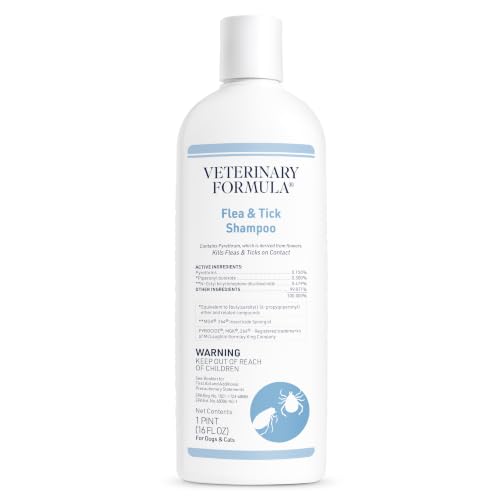
Fast-acting but short-lived. Useful for immediate knockdown during an active infestation or as a bath-time supplement. Not a substitute for monthly preventive treatment because protection fades within days.
budget-friendlyLong-Acting Injectables
Veterinarian-administered injections that provide protection for several months. Convenient for owners who struggle with monthly dosing. Requires a vet visit and is not suitable for every dog.
high-endCombination Parasite Preventives
All-in-one products that cover fleas, ticks, heartworm, and intestinal parasites in a single monthly dose. Reduces the number of products you need to manage. Often the most practical choice for busy owners.
top-tierIf you prefer to consolidate treatments, our guide to all-in-one flea, tick, and worm treatment for dogs explains how combination products compare with using separate preventives.
Spot-On vs Oral vs Chewable: Which Is Right for Your Dog?
There is no universally superior format. The right choice depends on your dog's lifestyle, health status, and your own preferences as an owner. The table below compares the main formats on the factors that matter most.
| Factor | Topical Spot-On | Oral Chewable | Collar |
|---|---|---|---|
| Kills fleas before biting | Yes, on contact | No, after bite | Varies by product |
| Bathing restrictions | Usually 48 hours before/after | None | None |
| Swimming safe | Reduced efficacy possible | Yes | Yes |
| Skin sensitivity risk | Higher | Lower | Possible contact irritation |
| Ease of application | Moderate | Easy for food-motivated dogs | Very easy |
| Tick coverage | Good to excellent | Excellent | Often limited |
| Cost tier | mid-range | premium | entry-level |
When Topical Spot-On Makes Sense
Spot-on treatments are a strong choice for dogs who tolerate topical products well and for owners who want contact-killing action that stops fleas before they bite. They are also useful for dogs who refuse to take oral medication. However, dogs with sensitive skin may develop irritation at the application site, and swimming or frequent bathing can reduce efficacy.
When Oral Chewables Make Sense
Oral chews are ideal for dogs who swim frequently, need frequent baths, or live in households with young children where topical residue is a concern. They also offer reliable efficacy regardless of coat condition. The main limitation is that dogs with certain neurological conditions should avoid specific oral ingredients, and very picky dogs may refuse the chew.
If you are weighing prescription-free options, our article on flea and tick chewables for dogs without a vet prescription covers which ingredients are available over the counter and how they compare.
How to Judge Whether a Treatment Is Safe
"Safe" is not a single property — it is a relationship between a product, a dog, and correct usage. A product that is safe for a healthy adult Labrador may be unsafe for an eight-week-old puppy or a dog with a seizure history. Use these criteria to evaluate any product you are considering.
- Check the active ingredient and its regulatory status. Look for ingredients that have been reviewed by regulatory agencies such as the EPA in the United States or equivalent bodies elsewhere. Well-studied ingredients include fipronil, imidacloprid, afoxolaner, fluralaner, and sarolaner. Avoid products with vague ingredient lists or undisclosed "natural" blends.
- Match the product to your dog's weight and age. Weight-based dosing is not marketing — it reflects how the active ingredient is metabolized. Using a large-dog product on a small dog can cause overdose. Puppies generally need products labeled for their age, and many products are not approved for puppies under 8 weeks.
- Read the contraindications on the label. Products that warn against use in dogs with a history of seizures, liver disease, or certain medications should be taken seriously. If your dog has a chronic condition, ask your veterinarian before starting any new preventive.
- Prefer products with a clear safety record and veterinary oversight. Prescription products are not automatically safer than over-the-counter ones, but they come with a veterinary consultation that screens for individual risk factors. Over-the-counter products can be safe and effective when the label is followed precisely.
- Be cautious with essential-oil-based products. Some "natural" flea treatments contain concentrated essential oils that can cause toxicity in dogs, especially cats in the same household. Tea tree oil, pennyroyal, and citrus extracts are common culprits. Natural does not mean harmless.
Practical tip: Before applying any new product for the first time, note the date and take a photo of the application site. If a reaction occurs, you will have a clear record for your veterinarian. Keep the packaging and insert — the batch number and active ingredient concentration matter for diagnosis.
For a deeper dive into ingredient-level comparisons, see our guide on the safest and most effective flea and tick treatment for dogs, which evaluates common active ingredients against safety and efficacy data.
Applying Treatment Correctly
Most treatment failures are not product failures — they are application errors. Even the best product will underperform if it is applied incorrectly, applied too early, or undermined by bathing.
Topical Spot-On Application
- Part the fur at the base of the neck, between the shoulder blades, so you can see skin.
- Apply the entire dose directly onto the skin, not onto the coat. If the liquid sits on fur, it will not be absorbed.
- Do not massage the product in, and do not touch the application site until it is dry.
- Keep the dog from licking the site for at least 30 minutes after application.
- Do not bathe the dog for 48 hours before or after application unless the label states otherwise.
Oral Chewable Administration
- Give the chew with food or immediately after a meal for best absorption, unless the label says otherwise.
- Watch the dog for a few minutes to confirm the chew was swallowed and not dropped or spit out.
- Do not break or split the chew unless the label explicitly allows it — some products are formulated for whole ingestion.
- Record the date so you stay on schedule. Monthly products work best when given on the same day each month.
Treating the Environment Matters Too
Flea eggs, larvae, and pupae live in your home and yard — not on your dog. If you are dealing with an active infestation, treating only the dog will not resolve it. Wash bedding in hot water, vacuum carpets and upholstery daily, and dispose of the vacuum bag outside. For persistent problems, consult your veterinarian about environmental treatment options. Our guide on the best way to get rid of fleas on a dog walks through the full household protocol.
Dogs with Sensitive Skin, Seizures, or Other Special Needs
Some dogs need a more careful approach. If your dog has a history of skin reactions, seizures, liver disease, or is currently taking other medications, the standard recommendation to "just pick a product" does not apply.
Dogs with Sensitive Skin
Topical spot-ons can cause localized irritation, especially in dogs with pre-existing skin conditions or allergies. Oral options often avoid this problem entirely. If you prefer topical, look for formulations without alcohol or strong fragrances, and monitor the application site for redness or hair loss. Our article on the best flea and tick treatment for dogs with sensitive skin covers product types that minimize irritation risk.
Dogs with a History of Seizures
Some oral flea and tick ingredients, particularly those in the isoxazoline class, carry a label warning about neurological reactions in dogs with a history of seizures. This does not mean every dog with a seizure history will react, but it does mean veterinary guidance is essential. A veterinarian can help you choose an alternative ingredient class that is safer for your dog. Our dedicated guide on safe flea and tick prevention for dogs with seizures breaks down the options.
Puppies, Senior Dogs, and Pregnant Dogs
- Puppies: Most products are not approved for puppies under 8 weeks. Use a product labeled for your puppy's weight and age, and consult your veterinarian if you are unsure. Never split an adult dose.
- Senior dogs: Older dogs may have reduced liver or kidney function, which affects how medications are processed. A veterinary checkup before starting a new preventive is wise.
- Pregnant or nursing dogs: Many products have not been tested in pregnant or lactating dogs. Ask your veterinarian for an approved option rather than guessing.
Multi-pet households: If you have both dogs and cats, never use a dog product on a cat. Some dog flea products containing permethrin are highly toxic — and often fatal — to cats. Keep treated dogs separated from cats until the application site is dry, and store all products out of reach.
Common Treatment Mistakes
These errors are surprisingly common and account for most cases of "the product didn't work."
- Using the wrong weight range. Dosing by guesswork rather than weight is the most frequent cause of both treatment failure and adverse reactions. Weigh your dog at the vet or on a home scale and buy the correct size.
- Reapplying too soon. Applying a second dose because you saw a flea a week later can cause overdose. Most products take time to reach full efficacy, and the label interval exists for a reason.
- Bathing right after application. Bathing within 48 hours of a topical treatment can wash away the active ingredient before it is absorbed. Follow the label precisely.
- Switching products constantly. If a product is working, there is no reason to rotate. Constant switching makes it difficult to identify what is effective and what is causing side effects.
- Treating only the dog. As noted earlier, environmental control is essential during an active infestation. Flea pupae in carpets can survive for months.
- Ignoring mild reactions. Slight redness at an application site may seem harmless, but repeated exposure can worsen sensitivity. If a reaction occurs, stop and consult your vet.
- Buying unregulated products online. Counterfeit or improperly stored products are a real risk. Purchase from reputable retailers or your veterinarian, and check the packaging for intact seals and clear lot numbers.
If you are starting from scratch and feeling overwhelmed, our overview of the best over-the-counter flea and tick treatment for dogs narrows the field to products that are widely available without a prescription. For dogs with a known sensitivity to topical products, the best thing to get rid of fleas on a dog guide focuses on fast-acting options.
Frequently Asked Questions
The bottom line: The safest and most effective flea and tick treatment is the one matched to your dog's weight, age, health status, and lifestyle — and applied exactly as directed. There is no shortcut around reading the label, and there is no product that compensates for incorrect dosing. When in doubt, a quick call to your veterinarian is the highest-value step you can take before buying anything. The fact that you are researching this carefully already puts you ahead of most owners.