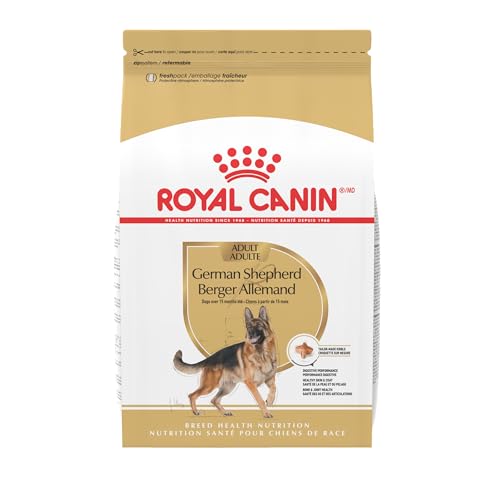
German Shepherd Dog Food: The Complete Nutrition Guide
Everything you need to know about feeding your German Shepherd for optimal health, vitality, and longevity — from puppyhood through their senior years.
The German Shepherd is a magnificent breed known for its intelligence, loyalty, and versatility. Whether you have a working line GSD, a show line, or a beloved family companion, proper nutrition is the cornerstone of their health. A well-balanced diet supports their powerful muscles, promotes a healthy coat, strengthens their immune system, and can even extend their lifespan.
But feeding a German Shepherd isn't as simple as filling a bowl. This breed has specific nutritional needs that change throughout their life. They are prone to certain health conditions — like hip dysplasia, digestive sensitivities, and skin allergies — that can be managed or even prevented with the right diet. This guide will walk you through everything you need to know to make informed decisions about your German Shepherd's food.
German Shepherd Nutrition Basics
German Shepherds are large, athletic dogs with high energy demands. Their diet must provide the right balance of protein, fat, carbohydrates, vitamins, and minerals to fuel their active bodies and support their overall health.
Key Nutritional Requirements for German Shepherds:
• Protein: 22-32% for adults, 25-30% for puppies. High-quality animal protein is essential for muscle maintenance and repair.
• Fat: 12-20% for adults. Fats provide energy, support skin and coat health, and help absorb fat-soluble vitamins.
• Carbohydrates: 30-50%. While not essential, carbs provide quick energy and fiber for digestive health.
• Calcium & Phosphorus: Critical for bone health, especially in growing puppies. The ratio must be correct to prevent skeletal problems.
• Glucosamine & Chondroitin: Beneficial for joint health, especially for dogs prone to hip and elbow dysplasia.
Unlike some breeds, German Shepherds are not particularly picky eaters, but they do have sensitive stomachs. Many GSDs thrive on a diet with a single, novel protein source and limited ingredients. This is why you'll often see foods specifically formulated for German Shepherds with sensitive stomachs.
Feeding by Life Stage
A German Shepherd's nutritional needs change dramatically as they grow from a puppy to an adult to a senior. Feeding the wrong food at the wrong life stage can lead to serious health problems.
German Shepherd Puppy Food (Up to 18 Months)
Puppyhood is the most critical time for nutrition. German Shepherd puppies grow rapidly, but they must not grow too fast. Rapid growth in large breed puppies is linked to the development of hip and elbow dysplasia, as well as other bone and joint issues.
- Choose large breed puppy food: This is non-negotiable. Large breed puppy formulas have controlled levels of calcium and phosphorus to promote steady, healthy bone growth. They also have fewer calories per cup to prevent excessive weight gain.
- Feed 3-4 meals per day: Young puppies have small stomachs and need frequent meals. As they grow, you can gradually reduce to 2 meals per day by the time they are 6-12 months old.
- Monitor body condition: You should be able to feel your puppy's ribs with light pressure, but not see them. They should have a visible waist. If they look chubby, reduce the amount of food slightly.
- Keep them lean: Studies show that puppies kept at a lean body weight have a significantly lower risk of developing hip dysplasia later in life.
Adult German Shepherd Food (18 Months to 6-7 Years)
Once your German Shepherd has finished growing, they can transition to an adult formula. Adult GSDs need a balanced diet that supports their energy levels, muscle mass, and joint health.
- Protein is key: Look for a food with a minimum of 22% protein, ideally from animal sources like chicken, beef, fish, or lamb.
- Joint support: Glucosamine and chondroitin are important for maintaining joint health, especially in active or working dogs.
- Omega fatty acids: DHA and EPA support skin and coat health, reduce inflammation, and promote cognitive function.
- Feed twice daily: Split their daily food into two meals. This helps prevent bloat, a life-threatening condition that German Shepherds are prone to.
Senior German Shepherd Food (7+ Years)
As your German Shepherd ages, their metabolism slows down, their activity level decreases, and their joints may become stiff. Their diet needs to adapt to these changes.
- Lower calories: Senior dogs need fewer calories to maintain a healthy weight. Look for a senior formula with reduced fat and calories.
- Higher protein: Despite the lower calories, senior dogs still need high-quality protein to maintain muscle mass. Don't switch to a low-protein food unless your vet advises it.
- Joint supplements: Increased levels of glucosamine and chondroitin can help manage arthritis and joint pain.
- Easier to digest: Senior dogs may have trouble digesting fats and have more sensitive stomachs. Look for highly digestible ingredients and added fiber.
- Hydration: Senior dogs are more prone to dehydration. Adding water or wet food to their kibble can help increase their water intake.
For more detailed information on the breed itself, including health, temperament, and care, see our German Shepherd breed guide.
Choosing the Right Food Type
There is no single "best" food for every German Shepherd. The right choice depends on your dog's individual needs, your budget, and your lifestyle. Here's a breakdown of the main types of dog food available:
Dry Dog Food (Kibble)
The most popular and convenient option. Kibble is cost-effective, easy to store, and helps scrape plaque from teeth. Look for a brand with a named meat source (e.g., "chicken," "beef") as the first ingredient. Avoid foods with corn, wheat, or soy as the primary ingredients. For German Shepherds, a large breed or sensitive stomach formula is often ideal. See our guide to the best dry dog food.
Budget-friendly to premiumWet Dog Food (Canned)
Wet food is more palatable and has higher moisture content, which is beneficial for dogs who don't drink enough water. It's often used as a topper to entice picky eaters or to add variety. However, it's more expensive per calorie and requires refrigeration after opening. You can use it to mix with dry food for puppies or seniors.
Mid-range to premiumRaw Diet
A raw diet consists of uncooked meat, bones, and organs. Proponents claim it improves coat condition, energy, and dental health. However, it requires careful planning to ensure nutritional balance, and there is a risk of bacterial contamination. Always consult your vet before starting a raw dog food diet, especially for puppies with developing immune systems.
Premium to luxuryFresh/Home-Cooked
This involves cooking human-grade ingredients for your dog. It offers complete control over ingredients, making it ideal for dogs with severe allergies. However, it's time-consuming and expensive, and it's easy to create nutritional imbalances. A veterinary nutritionist should be consulted. You can find homemade dog food recipes for senior dogs online, but always verify their completeness.
High-end to luxuryFreeze-Dried & Dehydrated
These foods offer the convenience of kibble with the nutritional benefits of raw or fresh food. They are lightweight, shelf-stable, and easy to rehydrate. They are often used as a topper or a complete meal. They are a good option for freeze-dried dog food for owners who want raw nutrition without the mess.
PremiumPrescription Diets
These are therapeutic diets formulated for specific medical conditions, such as kidney disease, food allergies, or joint issues. They are only available with a prescription from your veterinarian. For example, a dog with German Shepherd skin allergies may benefit from a hydrolyzed protein diet.
VariesSpecial Diets & Health Conditions
German Shepherds are predisposed to several health conditions that can be managed or improved with diet. If your GSD has a specific issue, their food can be a powerful tool.
Sensitive Stomach & Digestive Issues
German Shepherds are notorious for having sensitive digestive systems. They may experience gas, diarrhea, vomiting, or food allergies. If your GSD has a sensitive stomach, look for:
- Limited ingredient diets (LID): Fewer ingredients mean fewer chances of a reaction.
- Novel proteins: Salmon, lamb, venison, or duck are less likely to trigger allergies than chicken or beef.
- Probiotics: These support a healthy gut microbiome and can reduce digestive upset.
- Highly digestible carbs: Rice, oatmeal, and sweet potato are gentle on the stomach.
Our article on the best dry dog food for German Shepherds with sensitive stomachs provides specific brand recommendations.
Skin Allergies & Itchy Skin
Skin problems are common in German Shepherds. They can be caused by environmental allergies, food allergies, or a lack of essential fatty acids in the diet. A diet rich in omega-3 and omega-6 fatty acids can help soothe inflamed skin and promote a healthy coat.
- Fish-based diets: Salmon, whitefish, and herring are rich in omega-3s.
- Limited ingredients: Avoid common allergens like chicken, beef, wheat, and dairy.
- Supplements: Fish oil or flaxseed oil can be added to their food.
Check out our guide to the best dry dog food for German Shepherds with skin allergies for more information.
Joint Health & Hip Dysplasia
Hip and elbow dysplasia are common in German Shepherds. While genetics play a major role, nutrition can help manage the condition. A diet with adequate levels of glucosamine, chondroitin, and omega-3 fatty acids can reduce inflammation and support joint cartilage. Keeping your dog at a lean weight is the single most important thing you can do to reduce stress on their joints.
Best Feeding Practices for German Shepherds
How you feed your German Shepherd is just as important as what you feed them. Following these best practices can prevent serious health issues and ensure your dog gets the most out of their meals.
- Feed two meals a day: For adult German Shepherds, split their daily food into two meals, ideally 8-12 hours apart. This is crucial for preventing bloat (gastric dilatation-volvulus), a life-threatening condition where the stomach twists. Puppies need 3-4 meals per day.
- Avoid exercise around mealtime: Do not let your German Shepherd engage in vigorous exercise for at least one hour before and after meals. This is another important measure to reduce the risk of bloat.
- Use a slow feeder bowl: If your GSD eats too quickly, a slow feeder bowl can force them to eat more slowly, reducing the amount of air they swallow. This is especially important for dogs prone to bloat. See our recommendations for dog bowls.
- Transition foods slowly: When changing your dog's food, do it gradually over 7-10 days. Mix a small amount of the new food with the old, increasing the proportion of new food each day. This prevents digestive upset.
- Provide fresh water at all times: Hydration is essential for all bodily functions. Always have a clean bowl of fresh water available. Consider a dog water bottle for travel.
- Store food properly: Keep dry food in an airtight container in a cool, dry place to preserve freshness and prevent spoilage. A dog food container is a good investment.
- Monitor their weight: Use a body condition score to assess your dog's weight. You should be able to feel their ribs and see a waist. Adjust food amounts based on their condition, not just the bag's recommendations.
Foods to Avoid
Some foods that are safe for humans are toxic to dogs. Never feed your German Shepherd any of the following:
Toxic Foods for German Shepherds:
• Chocolate: Contains theobromine, which is toxic to dogs. Dark chocolate is the most dangerous.
• Grapes and Raisins: Can cause acute kidney failure.
• Onions, Garlic, Chives: Damage red blood cells, leading to anemia.
• Xylitol: An artificial sweetener found in sugar-free gum, candy, and some peanut butters. It causes a massive insulin release, leading to hypoglycemia and liver failure.
• Avocado: Contains persin, which can cause vomiting and diarrhea.
• Alcohol: Even small amounts can cause intoxication, coma, and death.
• Macadamia Nuts: Cause weakness, tremors, and hyperthermia.
• Cooked Bones: Can splinter and cause internal bleeding or blockages.
Supplements for German Shepherds
While a complete and balanced diet should provide all the nutrients your German Shepherd needs, some supplements can be beneficial for specific health concerns. Always consult your vet before adding any supplement to your dog's diet.
- Glucosamine and Chondroitin: Support joint health and can reduce pain from arthritis. Especially beneficial for senior GSDs or those with hip dysplasia.
- Fish Oil (Omega-3s): Reduces inflammation, supports skin and coat health, and promotes heart and brain health.
- Probiotics: Support digestive health, especially useful for dogs with sensitive stomachs or during times of stress.
- Multivitamins: Generally not necessary if your dog is eating a complete and balanced diet, but may be recommended by your vet for specific deficiencies. See our guide to dog vitamins.
Frequently Asked Questions
The Bottom Line on Feeding Your German Shepherd
The right food can make a world of difference in your German Shepherd's health, energy, and lifespan. Focus on a high-quality diet that matches their life stage, is appropriate for their activity level, and addresses any specific health concerns like sensitive skin or digestion. Keep them lean, feed them twice daily, and always provide fresh water. If you're ever unsure, your veterinarian is your best resource. And if you're looking for a new furry friend, consider adopting from a German Shepherd animal rescue. For more breed-specific information, explore our guides on German Shepherd dogs and puppies and German Shepherd puppies.