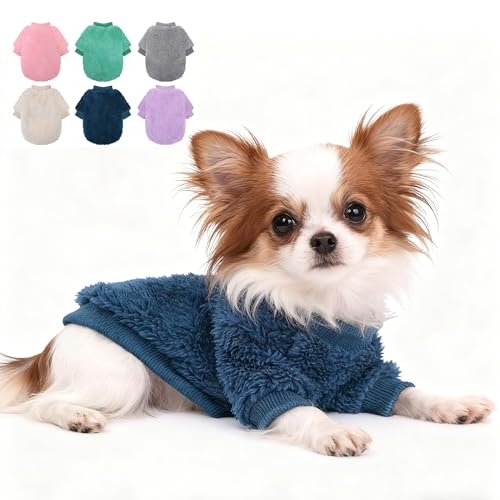
Teacup Puppies: The Complete Guide
Everything you need to know about teacup puppies — from understanding what "teacup" really means to caring for these tiny companions, managing their unique health risks, and finding a responsible breeder.
Teacup puppies have captured hearts worldwide with their tiny size and adorable appearance. A fully grown dog that fits in the palm of your hand sounds like a dream companion — but the reality of owning a teacup puppy is far more complex than most people realize. These dogs require specialized care, constant vigilance, and a significant financial commitment.
This guide cuts through the marketing hype and gives you honest, practical information about what teacup puppies are, the health challenges they face, and what responsible ownership looks like. If you are considering bringing one of these tiny dogs into your home, understanding these realities before you buy is essential — for both your sake and the puppy's.
What Are Teacup Puppies?
"Teacup" is not a recognized breed, size category, or official classification by any major kennel club — not the AKC, UKC, or FCI. Instead, it is a marketing term used to describe unusually small puppies within toy breeds. A teacup puppy is typically defined as a dog that weighs under 5 pounds (2.3 kg) at adulthood, though some definitions use a 4-pound threshold.
These puppies are usually the runts of their litters or the result of breeding two very small parents. Some breeders selectively breed for tiny size over many generations, which can amplify health problems. Understanding this distinction matters because many buyers believe "teacup" is a breed with predictable characteristics — it is not.
Key Fact: The term "teacup" carries no standardized definition. One breeder's "teacup" might be 3 pounds, while another's might be 5.5 pounds. Always ask for the puppy's actual weight, the parents' weights, and estimated adult size rather than relying on labels.
Popular Teacup Breeds
Teacup puppies appear across many toy breeds. Each breed brings its own temperament, grooming needs, and health predispositions. Here are the most common teacup varieties:
Teacup Chihuahua
The most common teacup variety. Adult weight is typically under 4 pounds. Chihuahuas are spirited, loyal, and often bond strongly with one person. They can be vocal and need early socialization to prevent small-dog syndrome. Their tiny size makes them vulnerable to injury and hypoglycemia.
Premium tier demandTeacup Yorkshire Terrier
Yorkies are already small, but teacup versions weigh under 4 pounds. Their long, silky coats require daily brushing and regular professional grooming. They are bold, curious, and affectionate. Dental problems are extremely common in this breed at any size, and teacup Yorkies face elevated risks.
Premium tier demandTeacup Pomeranian
Pomeranians are fluffy, alert, and outgoing. Teacup Poms weigh under 4 pounds and have delicate bones. Their double coat requires frequent brushing. They are prone to dental issues, tracheal collapse, and hypoglycemia. Their small size makes them appealing but also fragile.
High-end tierTeacup Maltese
Maltese are gentle, affectionate, and adaptable. Teacup versions weigh under 5 pounds. Their white coats need daily attention. They are prone to tear staining, dental disease, and patellar luxation. They do well in apartments but need consistent socialization.
Mid-range to premiumTeacup Poodle
Toy Poodles are already small, and teacup versions are even tinier. Poodles are highly intelligent and trainable. Their curly coats require professional grooming every 4-6 weeks. They are prone to hypoglycemia, dental issues, and Legg-Calvé-Perthes disease. Teacup Poodles are among the most expensive varieties.
Luxury tierTeacup Shih Tzu
Shih Tzus are bred as companion dogs and thrive on human attention. Teacup versions weigh under 5 pounds. Their flat faces make them prone to breathing difficulties, especially in heat. They need daily grooming and are susceptible to eye injuries. They are affectionate but can be stubborn.
Mid-tierOther breeds sometimes marketed as teacup include the Pomeranian, Toy Poodle, and various designer crosses. If you are interested in a specific small breed, explore our guides to puppies that stay small forever and other popular dog breeds to compare options.
Health Risks & Concerns
This is the most important section of this guide. Teacup puppies are not simply smaller versions of healthy toy breeds — their extreme small size comes with real, documented health risks. Responsible breeders work to minimize these, but buyers must understand them before committing.
Important: Many veterinarians advise against deliberately breeding for extreme small size because it prioritizes appearance over health. If you choose to buy a teacup puppy, work with a breeder who health-tests and is transparent about risks — and budget for more frequent veterinary care.
Common Health Problems in Teacup Puppies
- Hypoglycemia (low blood sugar): The most common and dangerous issue. Tiny puppies have minimal glycogen reserves and can crash quickly if they skip a meal or overexert themselves. Symptoms include weakness, trembling, confusion, and seizures. Always carry a sugar source like honey or glucose gel and feed frequent small meals.
- Fragile bones: Teacup puppies can suffer fractures from jumps off furniture, rough handling, or falls. Their bones are proportionally thinner and more brittle. Avoid high furniture, use ramps, and supervise interactions with children and larger pets.
- Dental disease: Small mouths crowd teeth, leading to tartar buildup, periodontal disease, and tooth loss. Daily brushing and professional cleanings are essential. Many teacup dogs lose most of their teeth by middle age without proactive care.
- Tracheal collapse: The windpipe weakens and collapses, causing a honking cough. Use a harness instead of a collar, avoid excessive leash pulling, and maintain a healthy weight.
- Patellar luxation: The kneecap slips out of place, causing lameness. Common in small breeds. Maintain healthy weight, avoid jumping, and consult a vet if you notice skipping or limping. See our guide on patellar luxation symptoms in dogs.
- Heart conditions: Patent ductus arteriosus (PDA) and other congenital heart defects are more common in tiny dogs. Regular veterinary exams can detect murmurs early.
- Temperature regulation issues: Teacup puppies lose body heat quickly and can become hypothermic in cool weather. They need sweaters, warm bedding, and limited outdoor time in cold conditions.
- Anesthesia sensitivity: Tiny dogs have less margin for error under anesthesia. Dental cleanings and surgeries carry higher risks. Choose a veterinarian experienced with toy breeds.
- Hydrocephalus: Fluid accumulation in the brain, sometimes seen in teacup breeds with dome-shaped skulls. Symptoms include an enlarged head, seizures, and developmental delays.
- Liver shunts: Abnormal blood vessels bypassing the liver. More common in tiny dogs. Symptoms include poor growth, vomiting, and neurological signs after eating.
Pro Tip: Set up a "puppy emergency kit" with honey or glucose gel for hypoglycemia, a digital thermometer, and your vet's emergency number. Teacup puppies can decline rapidly — acting fast saves lives. Learn the signs of parvo symptoms and other serious illnesses so you can respond quickly.
Daily Care Requirements
Teacup puppies demand more hands-on care than standard-sized dogs. Their small size makes everyday tasks more delicate and requires constant awareness of their environment.
Housing & Environment
Safety-proofing is non-negotiable with a teacup puppy. Their small size means ordinary household items become hazards:
- Block access to under furniture where they could get stuck or chew wires
- Use puppy gates and a puppy exercise pen to create safe zones
- Cover electrical cords and secure small objects that could be swallowed
- Use a puppy crate for small dogs with soft bedding
- Provide ramps or dog steps to furniture instead of letting them jump
- Keep the environment warm — teacup puppies chill easily
Grooming
Grooming needs vary by breed, but all teacup puppies require regular attention:
- Brush daily for long-haired breeds like Yorkies, Maltese, and Shih Tzus
- Bathe every 2-4 weeks with a gentle dog shampoo
- Clean ears weekly and check for redness, odor, or discharge
- Trim nails every 2-3 weeks — tiny nails grow fast and can curl into paw pads
- Brush teeth daily with a dog toothbrush and dog-safe toothpaste
- Use a dog brush suited to the coat type
Exercise & Mental Stimulation
Teacup puppies need less physical exercise than larger dogs, but they still need daily activity and mental engagement. Short walks of 15-20 minutes, indoor play sessions, and puzzle toys provide adequate stimulation. Avoid over-exertion and high-impact activities that stress fragile joints. Mental stimulation is just as important as physical activity — a bored teacup puppy can become destructive or anxious. Interactive dog toys and puppy mental stimulation toys are excellent options.
For a complete care routine, see our puppy grooming guide and puppy guide.
Feeding & Nutrition
Feeding a teacup puppy requires precision and vigilance. Their tiny stomachs hold very little food, but their fast metabolism demands frequent calories. Missing a meal or a sudden drop in food intake can trigger hypoglycemia within hours.
Feeding Schedule
- Under 8 weeks: Still with mother, nursing or being weaned
- 8-12 weeks: 4-6 small meals per day
- 3-6 months: 4 meals per day
- 6-12 months: 3 meals per day
- Adult: 2-3 small meals per day
Never free-feed a teacup puppy if possible — it makes monitoring intake difficult. Measure portions with a small scale or measuring scoop. Use a high-quality puppy food formulated for toy breeds, which has smaller kibble and appropriate nutrient density. For sensitive stomachs, see our guides on puppy food for sensitive stomachs and puppy food for sensitive stomachs and diarrhea.
Hypoglycemia Prevention: Keep honey, glucose gel, or nutrical on hand. If your puppy shows signs of weakness, trembling, or confusion, rub a small amount on their gums and call your vet immediately. Never wait to see if they "snap out of it."
For a detailed feeding plan, see our puppy feeding schedule. Choose dog bowls that are shallow and easy to reach. Always provide fresh water in a shallow bowl — tiny dogs can drown in deep water bowls.
Training Tiny Dogs
Teacup puppies are just as intelligent and capable of learning as larger dogs. However, their small size means their training needs are often overlooked — which leads to "small dog syndrome" behaviors like barking, nipping, and ignoring commands.
Training Challenges Specific to Teacup Puppies
- Fragility: Harsh training methods are absolutely off-limits. Positive reinforcement is the only acceptable approach.
- Attention span: Keep sessions very short — 3-5 minutes for young puppies, up to 10 minutes for adults.
- Treat size: Use tiny treats or break regular treats into pea-sized pieces to avoid overfeeding.
- Socialization: Teacup puppies need careful socialization with people, other dogs, and environments — but avoid high-risk areas until fully vaccinated.
- House training: Small bladders need frequent potty breaks. Use pee pee pads or a puppy pad if outdoor access is limited.
Start with basic commands like sit, stay, and come using positive reinforcement. Avoid training collars for dogs that use aversive methods — they can damage trust and are especially dangerous for tiny necks. For more training guidance, see our puppy guide.
Remember: it's better to prevent problem behaviors than fix them later. Puppy-proofing your home and preparing for a puppy before bringing them home sets you up for success.
Finding a Responsible Breeder
Because "teacup" is not a regulated category, the teacup market is unfortunately full of unscrupulous breeders who prioritize profit over health. Finding a responsible breeder is critical.
Red Flags to Avoid
- Breeder sells multiple litters or "teacup" puppies year-round
- No health testing on breeding dogs (ask for OFA, CERF, genetic test results)
- Won't let you see the parents or the breeding facility
- Meets you in a parking lot or ships a puppy without meeting you
- Puppies are sold before 8 weeks of age
- No written health guarantee or contract
- Advertises "teacup" as a breed rather than a size description
- Pushes for immediate payment and discourages questions
What a Responsible Breeder Looks Like
- Health-tests breeding dogs for genetic conditions
- Shows you the puppy's parents and living conditions
- Asks you detailed questions about your home and lifestyle
- Provides a written contract and health guarantee
- Lets the puppy stay with the mother until at least 8-12 weeks old
- Is transparent about the risks of teacup size
- Will take the puppy back if you can no longer care for it
- Provides veterinary records and vaccination history
For more on this topic, see our guides on how to find a reputable dog breeder, questions to ask a dog breeder, red flags of a bad breeder, and puppy mill vs reputable breeder. Also review backyard breeder dangers and health guarantee for puppies before committing.
Adoption Alternative: Consider adopting a small breed puppy from a rescue organization. Many toy breeds end up in shelters through no fault of their own. See our guide on puppy dogs for adoption.
What to Expect Financially
Teacup puppies are among the most expensive dog purchases you can make. The initial purchase alone typically places them in the luxury or high-end tier — significantly more than standard-sized puppies of the same breed. Beyond the purchase price, you must budget for ongoing costs that are often higher than average due to their specialized needs.
Use our guide on puppy prices by breed to understand pricing tiers across breeds. The true cost of ownership includes:
- Purchase: Teacup puppies command luxury-tier prices due to their rarity and demand
- Veterinary care: More frequent visits and higher risk of emergencies
- Insurance: Pet insurance guide — premiums may be higher for tiny breeds with known health issues
- Grooming: Professional grooming every 4-6 weeks for many breeds
- Supplies: Dog beds, carriers, dog clothes for warmth, and more
- Emergency fund: Hypoglycemia or fracture treatment can run into the thousands
Consult our pet insurance page and pet insurance guide to compare options before bringing a teacup puppy home.
Are Teacup Puppies Right for You?
Teacup puppies are not for everyone. Their charm is undeniable, but their needs are extraordinary. Consider these questions honestly before making a decision:
Teacup Puppies May Be a Good Fit If You:
- Are home most of the day or can arrange pet care
- Have experience with toy breeds and their health issues
- Can afford higher veterinary costs and potential emergencies
- Live in a calm, adult household without young children
- Are prepared to supervise constantly and safety-proof your home
- Understand and accept the health risks
Teacup Puppies May Not Be Right If You:
- Work long hours away from home
- Have toddlers or young children who may accidentally injure the dog
- Have large, boisterous dogs that could play too roughly
- Are on a tight budget with no emergency fund
- Want a dog that can hike, run, or roughhouse
- Cannot commit to frequent feedings and vigilant supervision
If you decide a teacup puppy is not right for you, consider a slightly larger toy breed or a healthy mixed-breed puppy. Many puppies for sale from responsible breeders make wonderful companions without the extreme fragility. For a broader look at small breeds, explore our resources on puppies that stay small and don't shed and popular dog breeds.
If you are bringing home any new puppy, review our puppy preparation and puppy first night guides. For crate training, see how to stop your puppy from crying in the crate. And for puppy health essentials, learn about puppy deworming and parvovirus vaccine for puppies.
Frequently Asked Questions
Final Thoughts on Teacup Puppies
Teacup puppies are undeniably adorable, but they are not low-maintenance companions. Their extreme small size comes with real health risks, higher costs, and a greater demand on your time and attention. If you are prepared for that commitment, a teacup puppy can be a loving companion. If not, there are many wonderful small breed puppies — from Pomeranians to Toy Poodles — that offer similar charm with fewer health concerns. Whatever you decide, prioritize the health and well-being of the dog above all else.